
Gallery
Photos from the field, lab life, visitors and study animals
Field sites, group photographs, visiting researchers and moments from life in The Lizard Lab.
Click on images to enlarge
Lab members past and present work at field sites across Australia and around the world, including the Mediterranean, Africa and Asia.
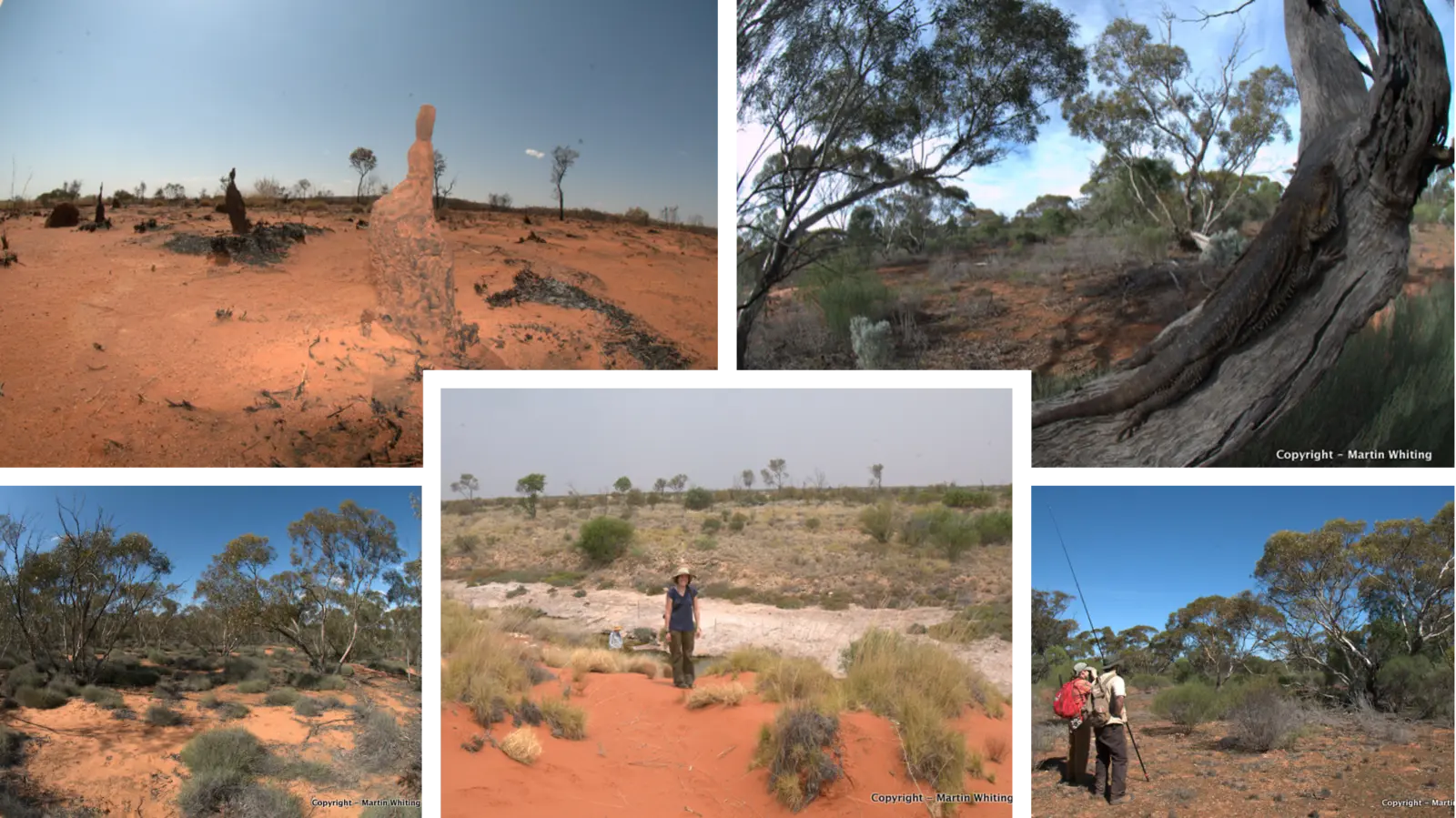
Fieldwork at Gluepot, South Australia, on tree skinks and at Australian Wildlife Conservancy’s Newhaven Sanctuary in central Australia on Liopholis kintorei.
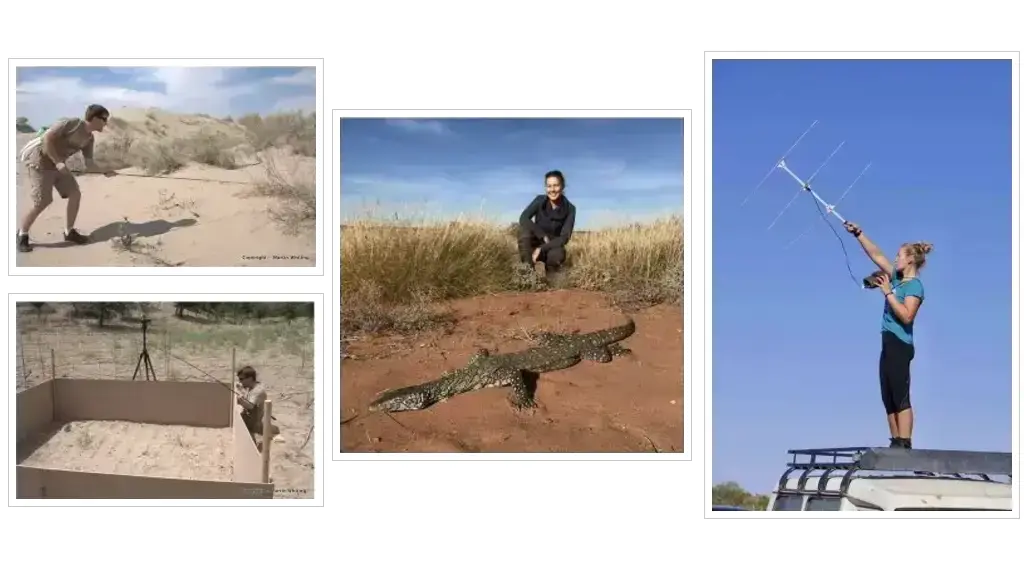
Dan Noble catching lizards and conducting experiments in the Tukai Desert, China, and Kari Soennichsen radio-tracking perenties (Varanus giganteus) in the Northern Territory.
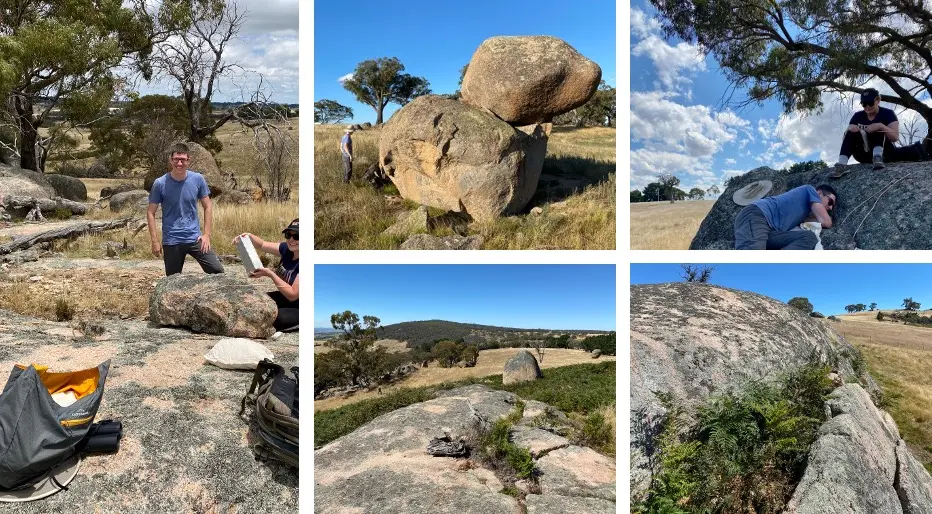
Yorick Lambreghts and Victoria Russell sampling Egernia in the field for projects on social plasticity and kin recognition.
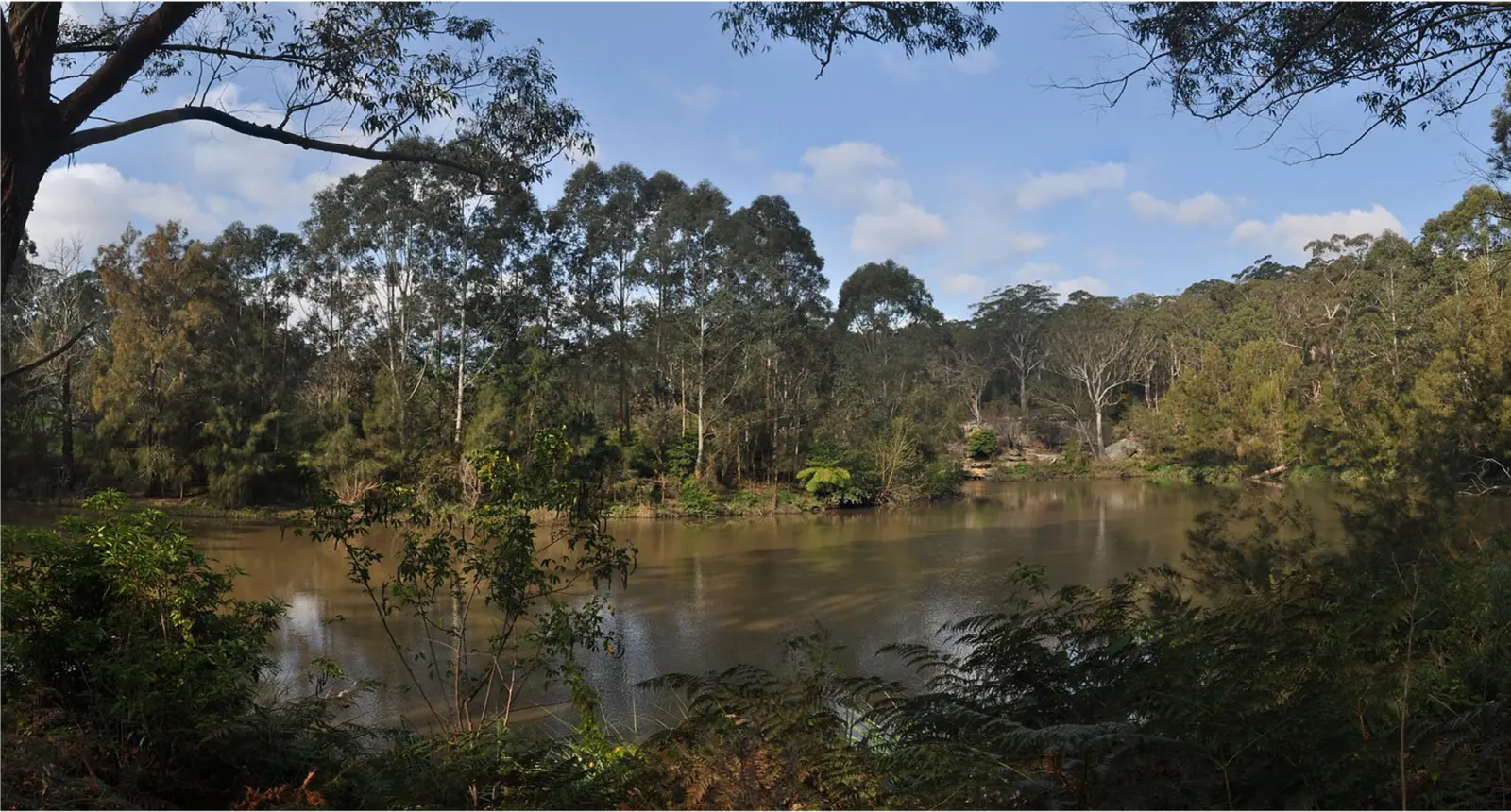
One of our field sites for research on the eastern water dragon, Intellagama lesueurii.
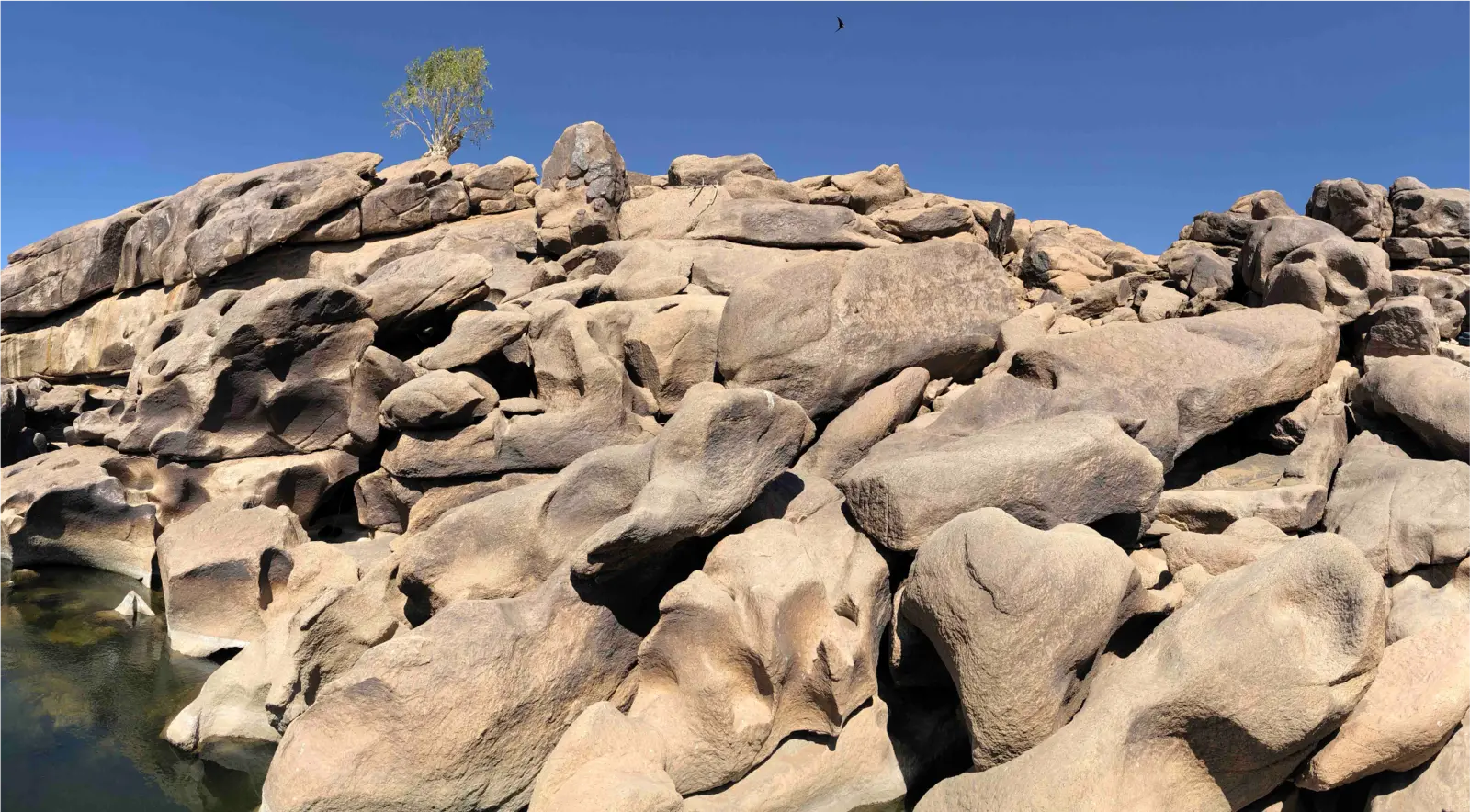
Augrabies Falls National Park in north-west South Africa is home to the world-famous Augrabies flat lizard, Platysaurus broadleyi.
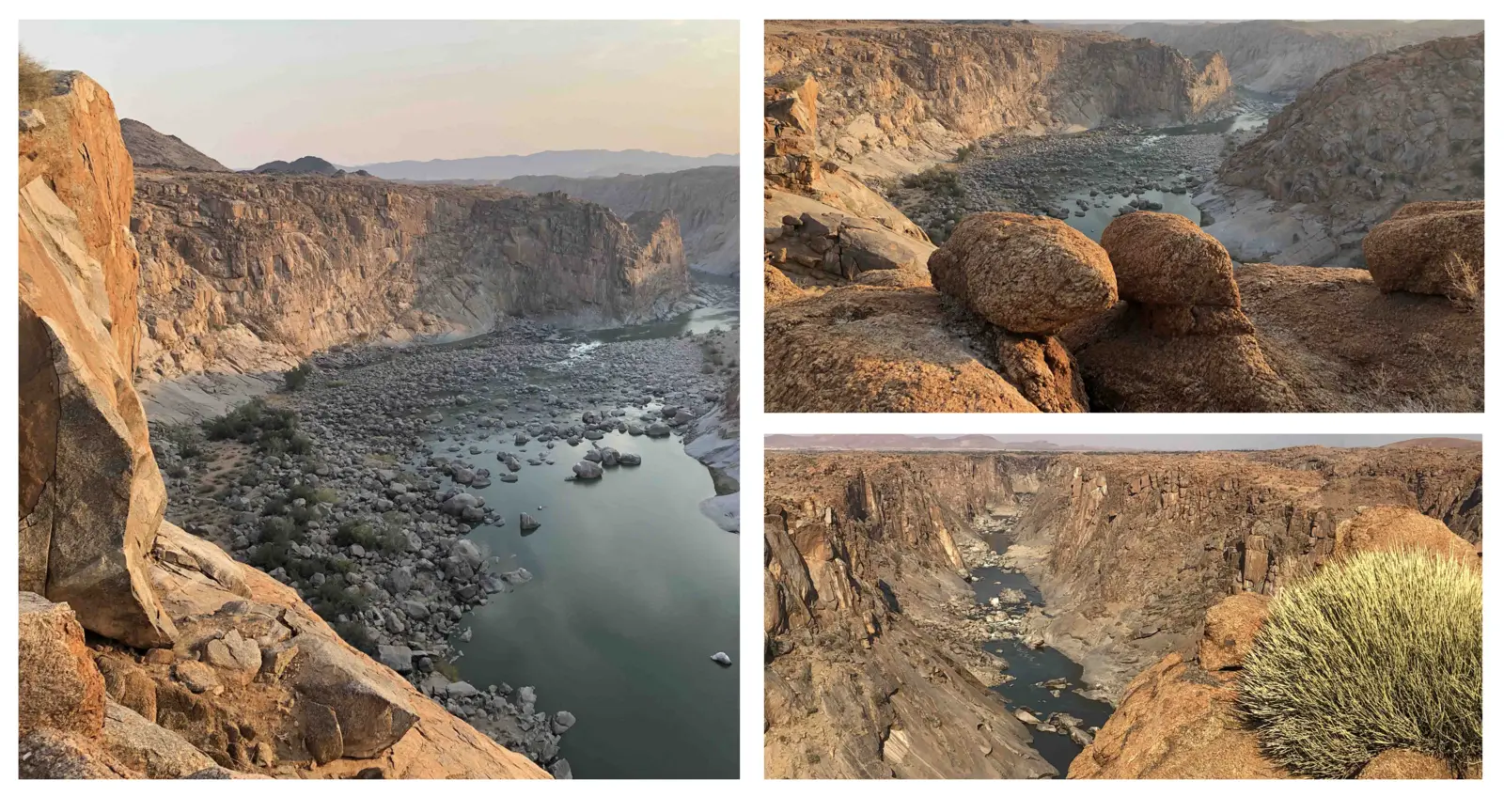
Spectacular views of Augrabies flat lizard habitat.
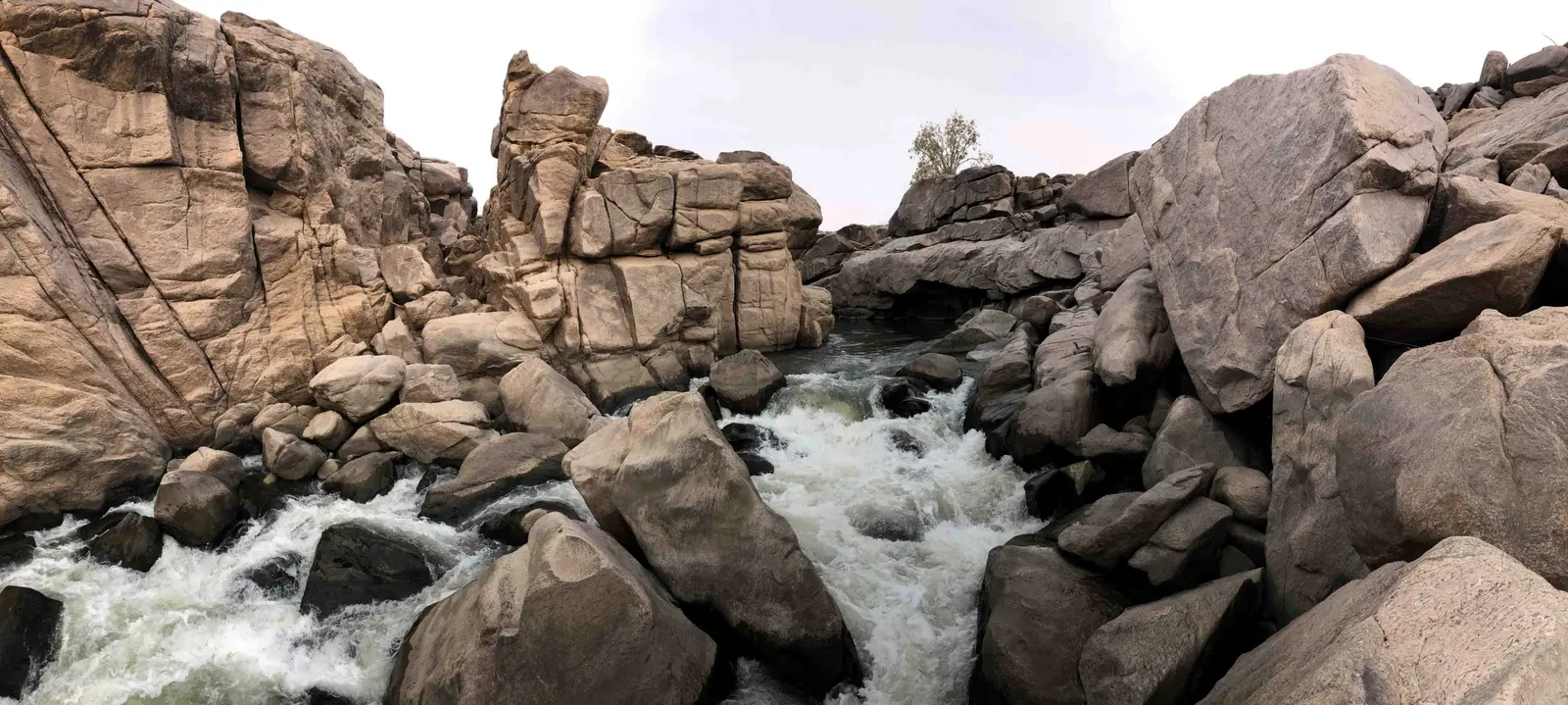
The Orange River is the lifeblood of the Augrabies flat lizards.
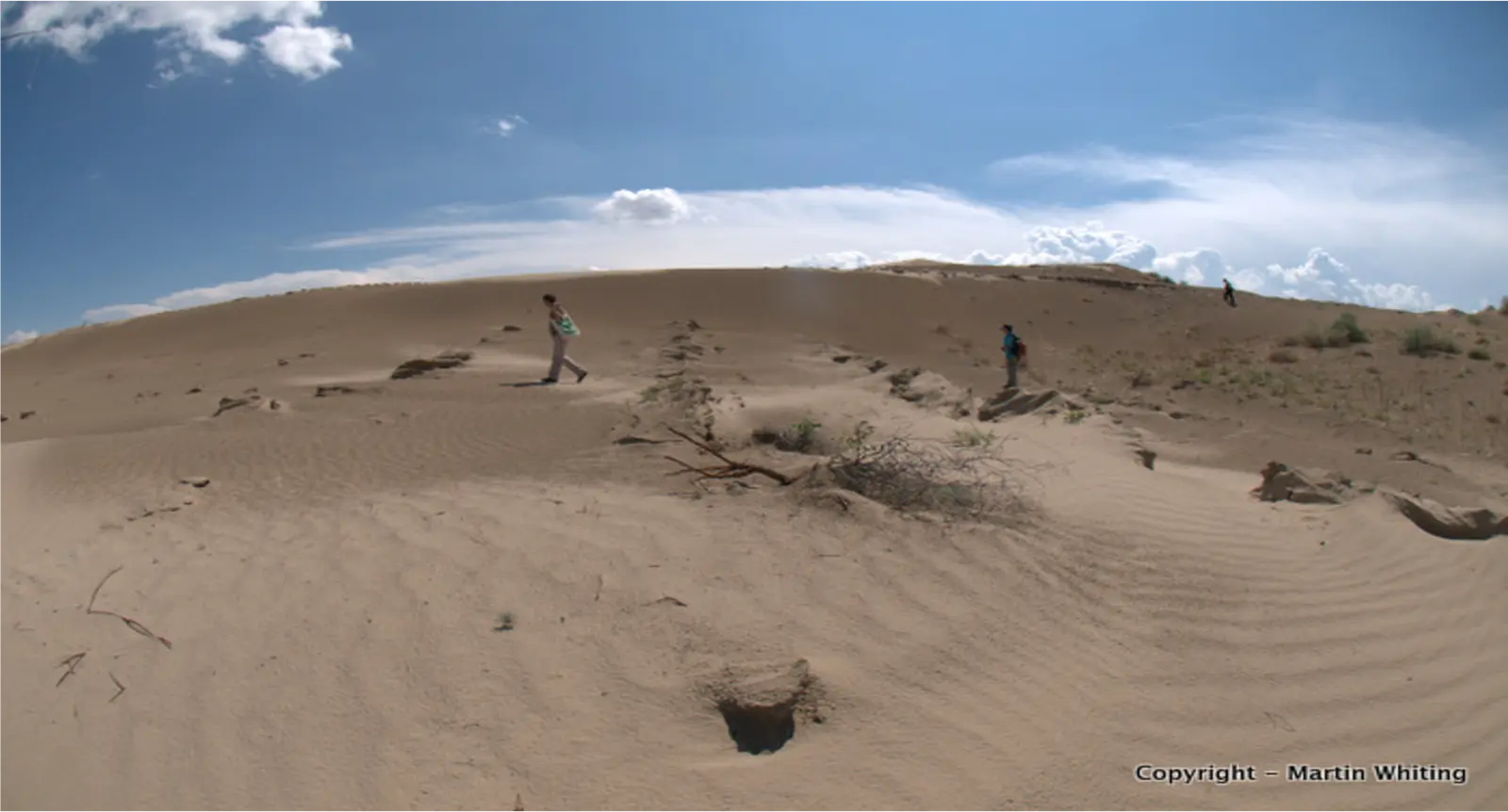
The Tukai Desert in Xinjiang Province, where we worked on several toad-headed agamas, including Phrynocephalus mystaceus.
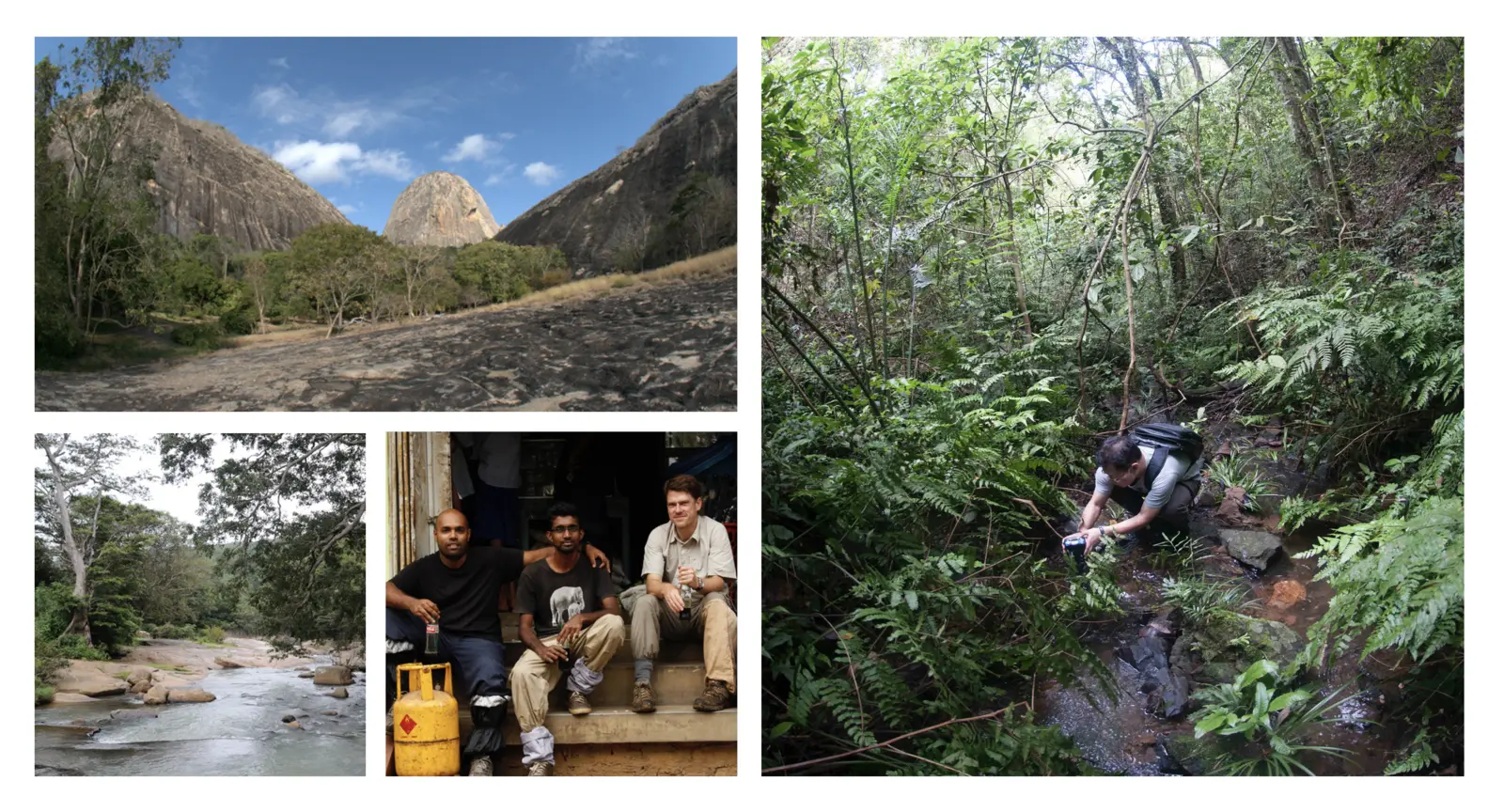
A selection of field sites from around the globe: Mozambique, Sri Lanka with Ruchira Somaweera, and China with Yin Qi.
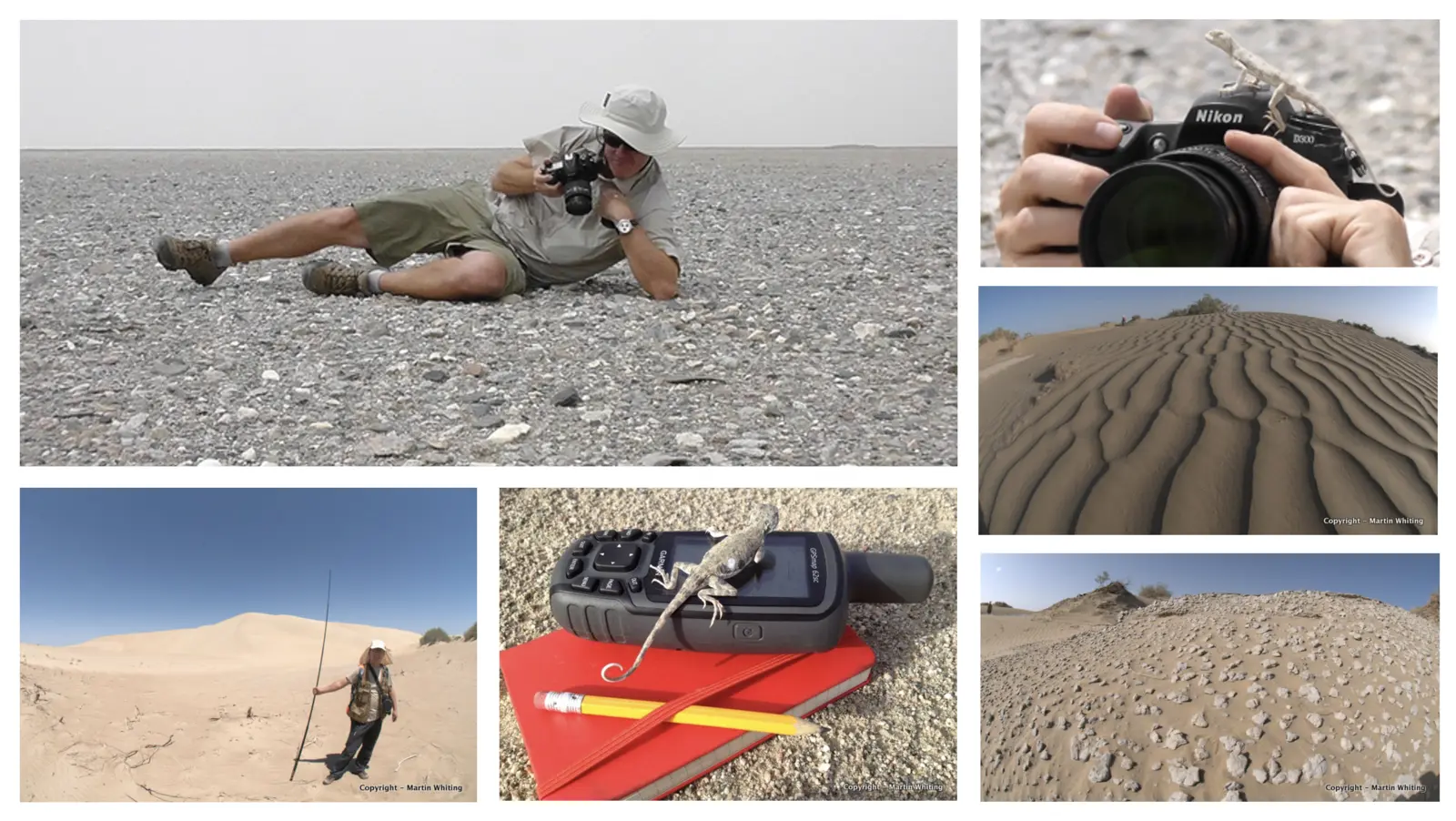
Working with Dr Yin Qi on toad-headed agamas in the arid zone of north-west China.
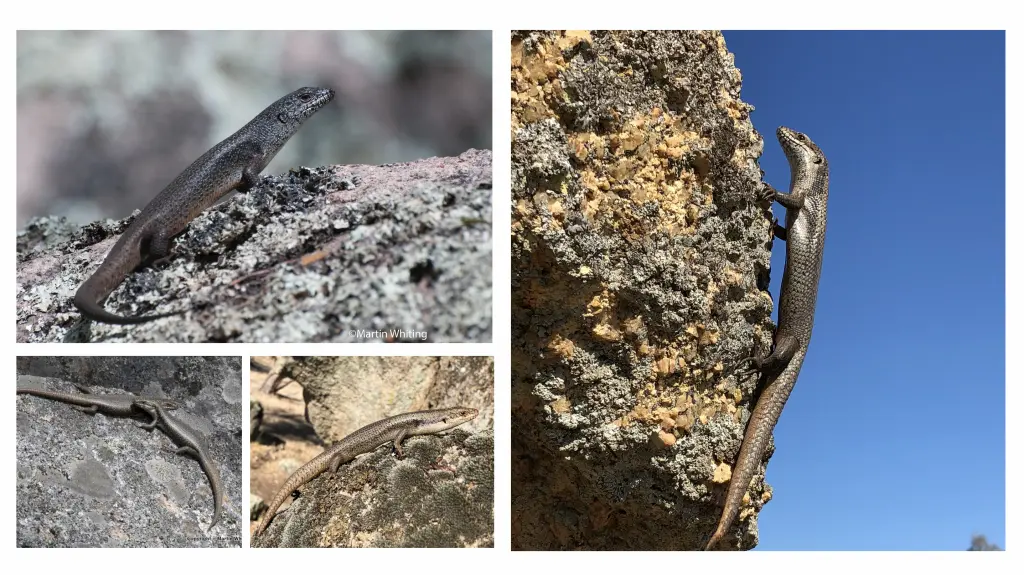
Black rock skinks (Egernia saxatilis) and tree skinks (E. striolata) feature heavily in our work on social development, family living and cognition.
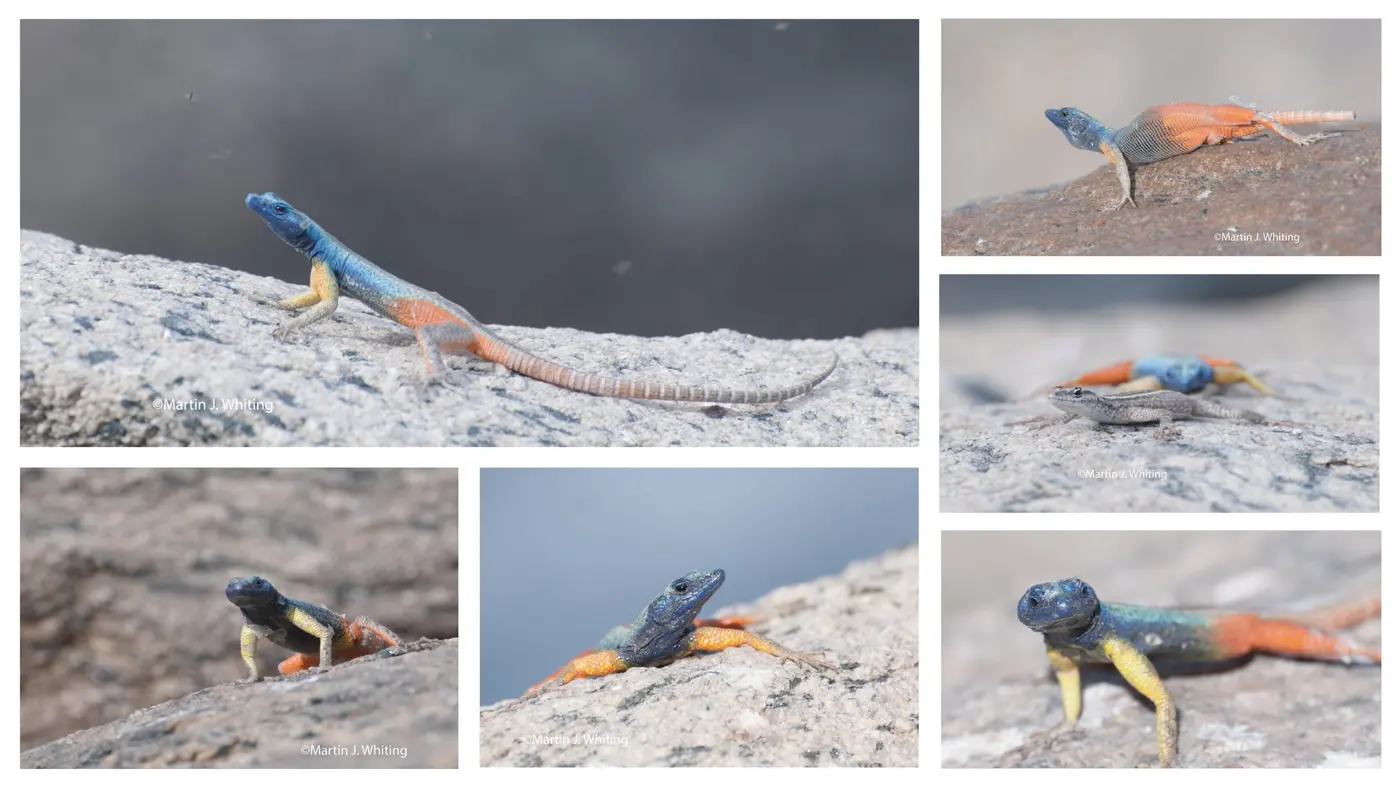
Platysaurus broadleyi from Augrabies Falls National Park, South Africa—stars of numerous BBC documentaries and Martin's favourite!
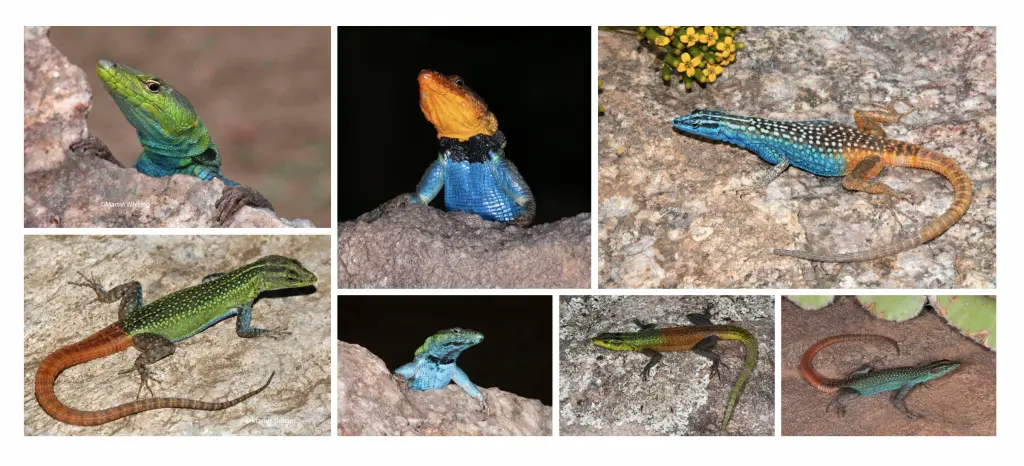
Our long-standing work on the taxonomy and systematics of Platysaurus includes Attenborough’s flat lizard, described in honour of Sir David Attenborough.
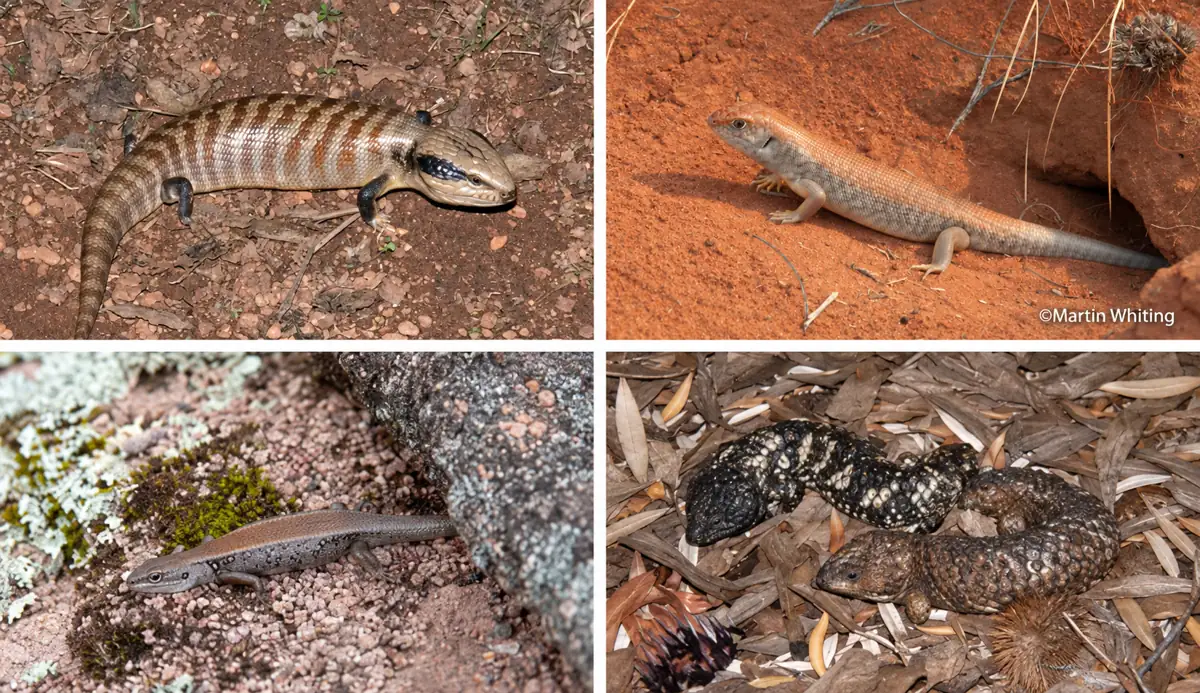
Our study species include the centralian blue-tongued skink, great desert skink, White’s skink and the sleepy lizard, or shingleback.
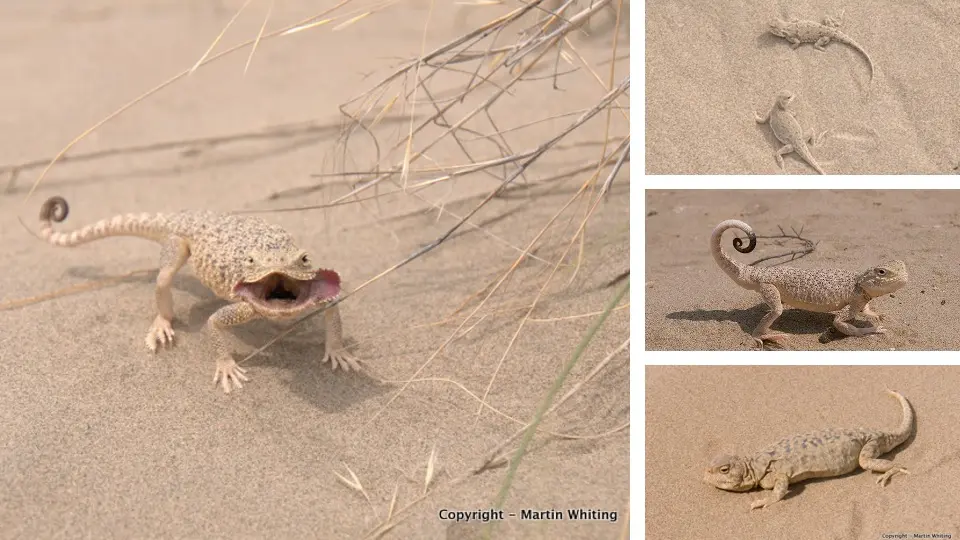
With Dr Yin Qi at the Chengdu Institute of Biology, we study signalling in Chinese Phrynocephalus, including P. mystaceus and P. vlangalii.
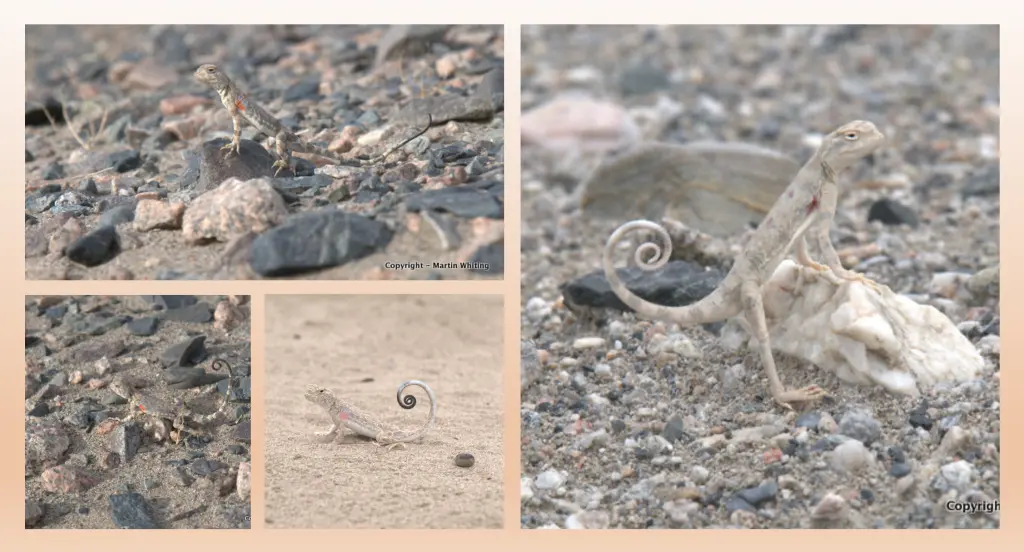
Toad-headed agamas from China are famous for their complex dynamic visual signals (tail waves).
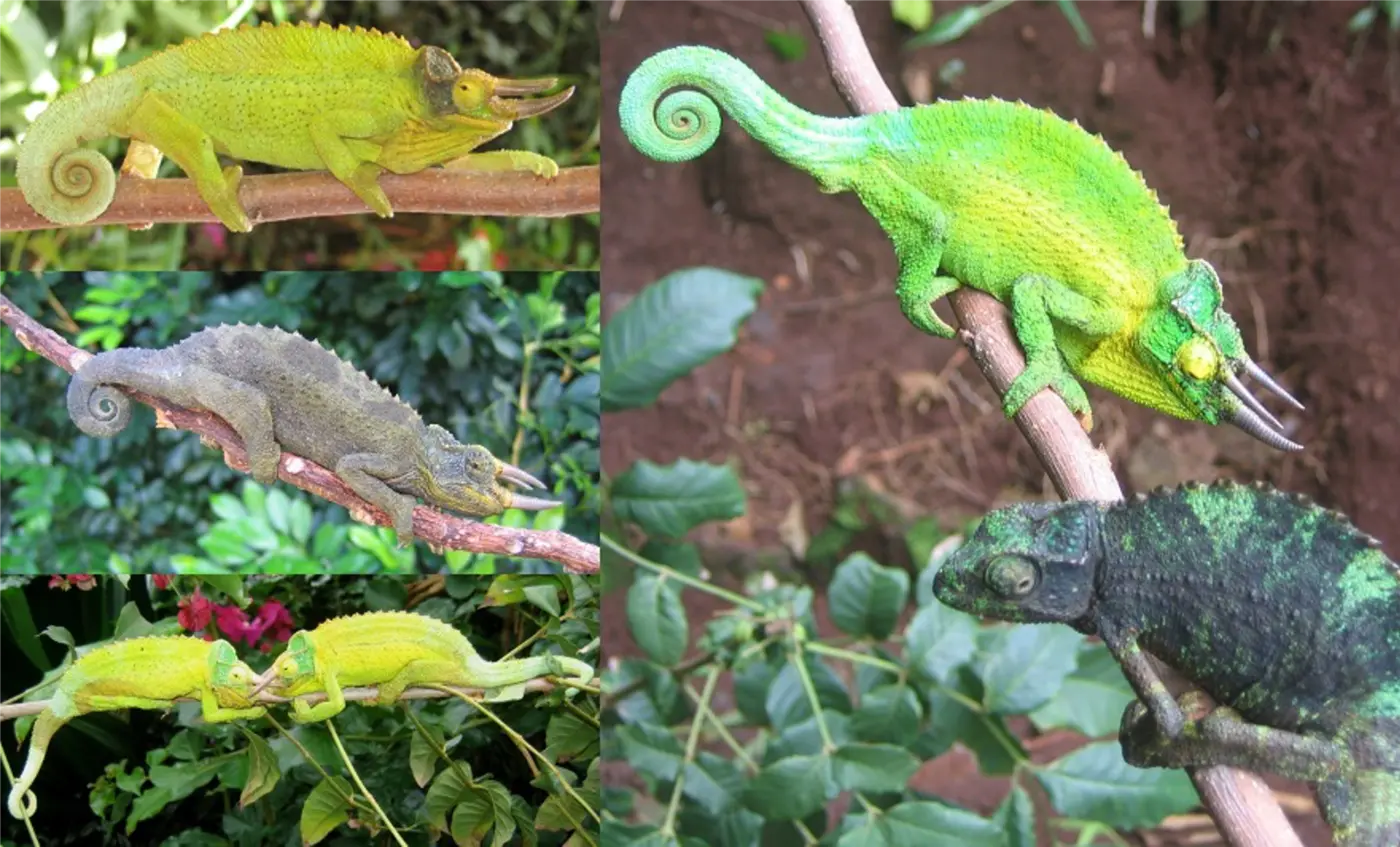
We compared colour signals in introduced Hawaiian and native Kenyan populations of Trioceros jacksonii, exploring how signals evolve when major predators are absent.
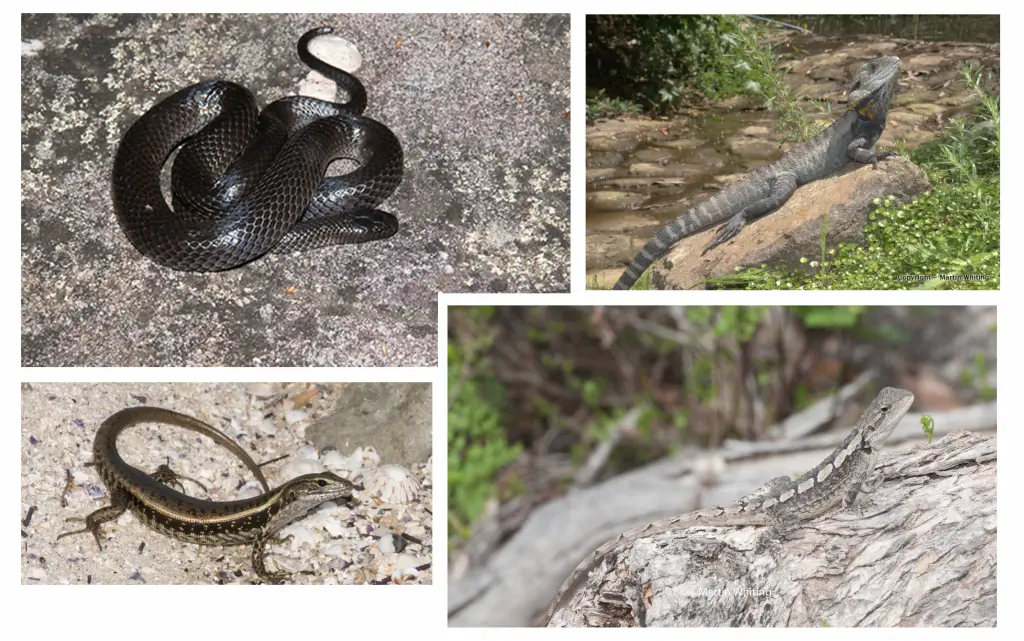
Our work also includes water dragons, eastern water skinks, Jacky dragons and small-eyed snakes.
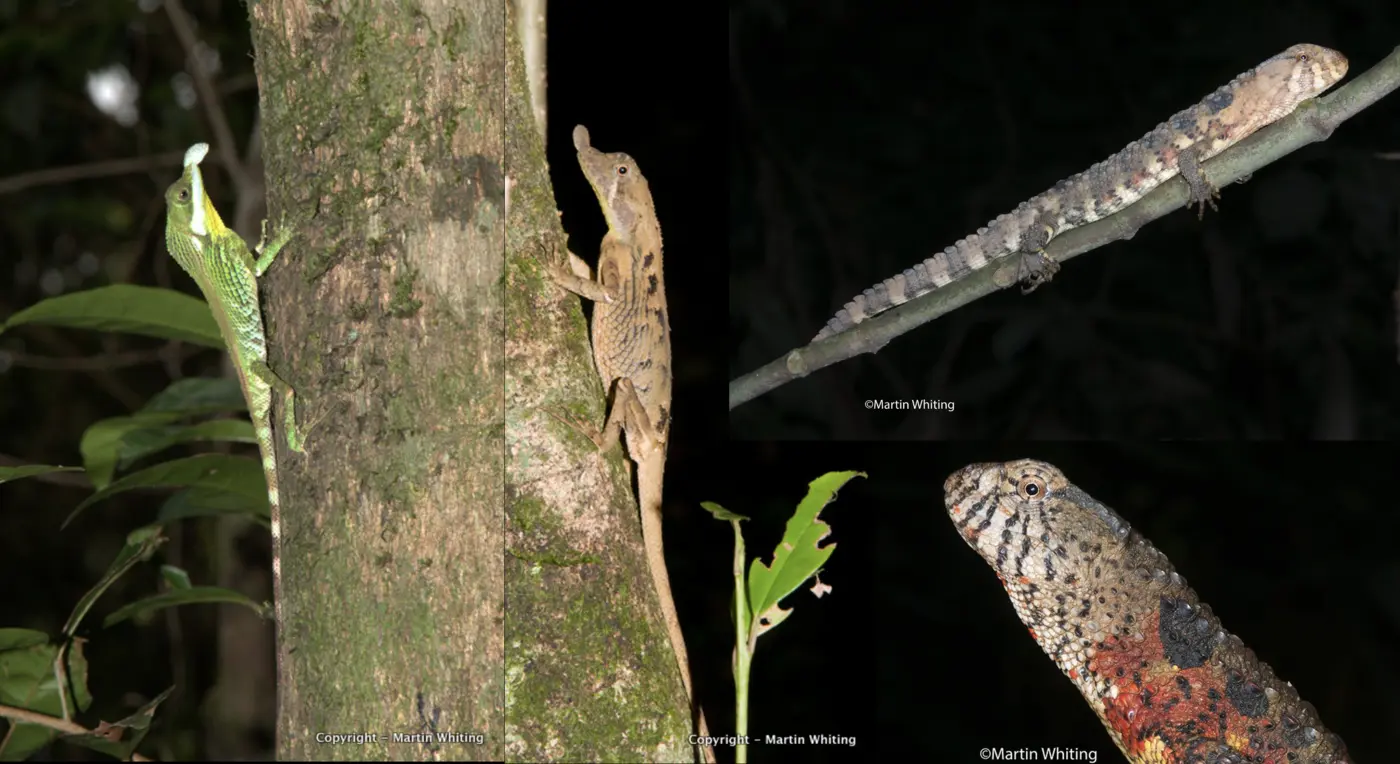
We have worked with Ruchira Somaweera on the leaf-nosed lizard (Ceratophora tennentii) in Sri Lanka and the crocodile lizard (Shinisaurus crocodilurus) in China.
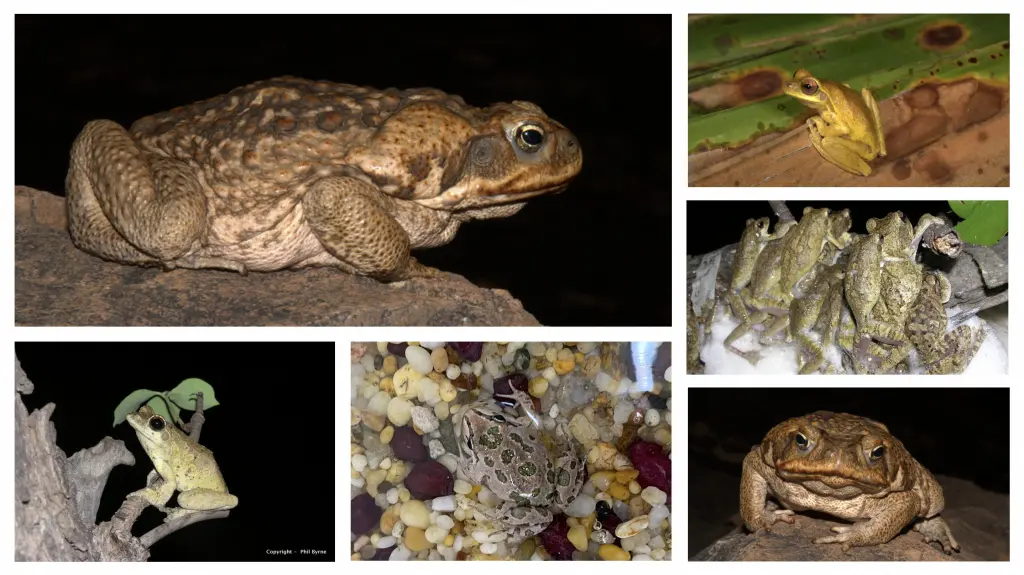
Our amphibian research includes cane toads, whirring tree frogs, African foam-nest frogs and spotted grass frogs.
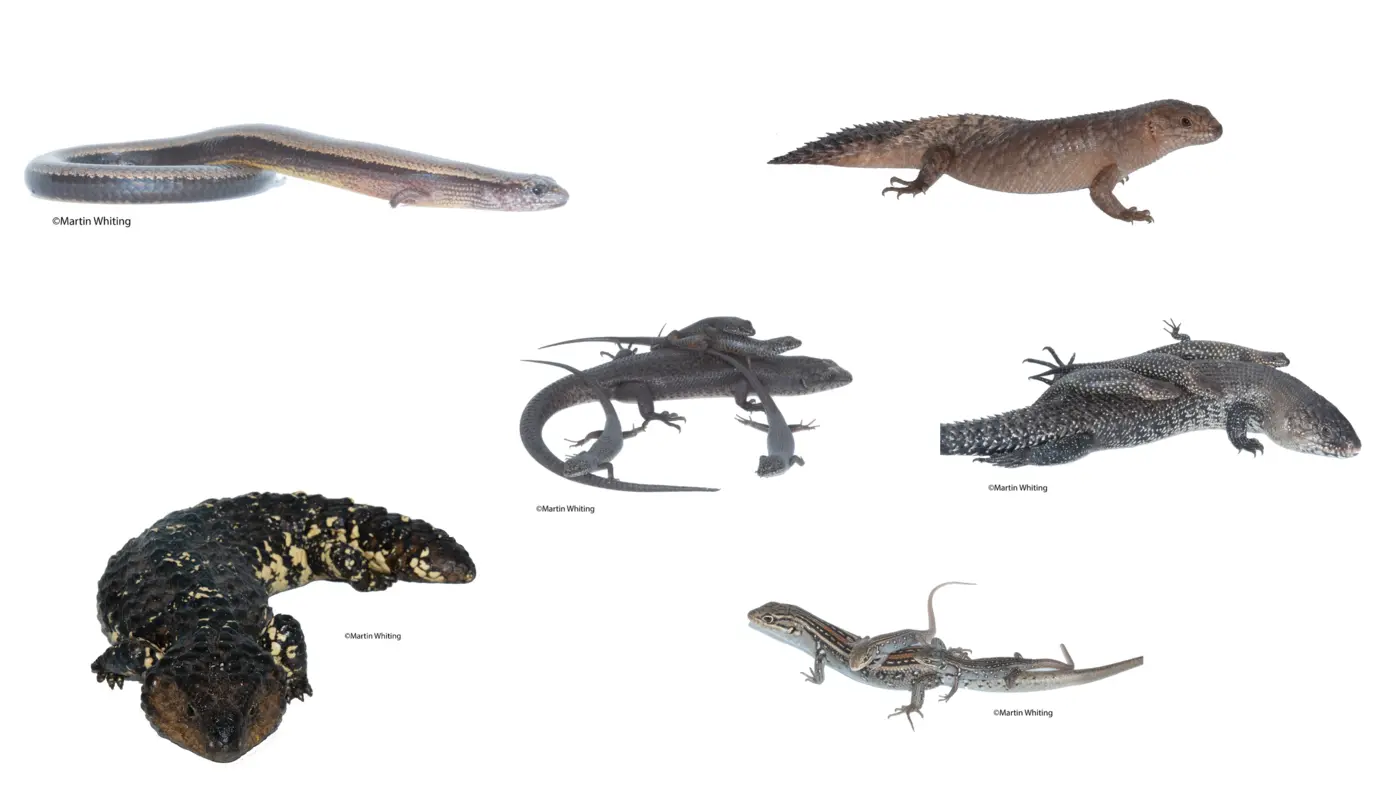
Three-toed, gidgee, Cunningham’s, White’s and black rock skinks—along with sleepy lizards—help us investigate the evolution of family living.
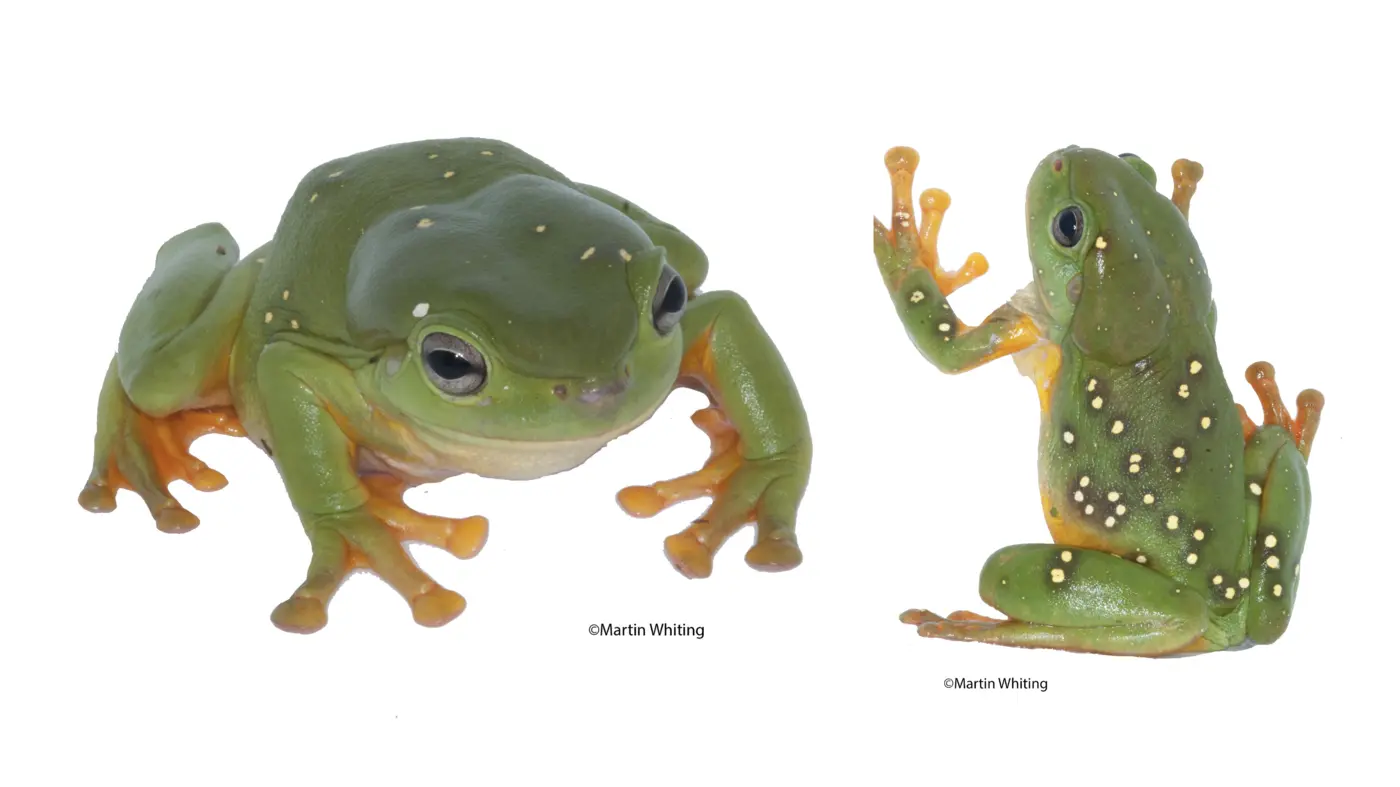
Litoria splendida, Australia’s largest tree frog, has been studied by lab members in the Kimberley and in our animal facilities.
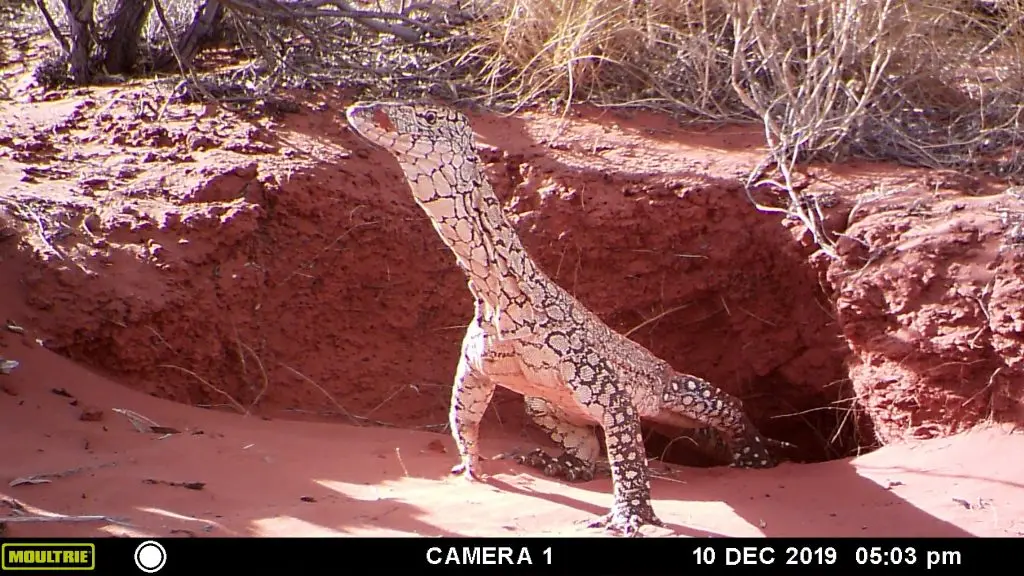
A camera trap captured this Varanus giganteus at Curtin Springs in the Northern Territory during field work by Kari Soennichsen.
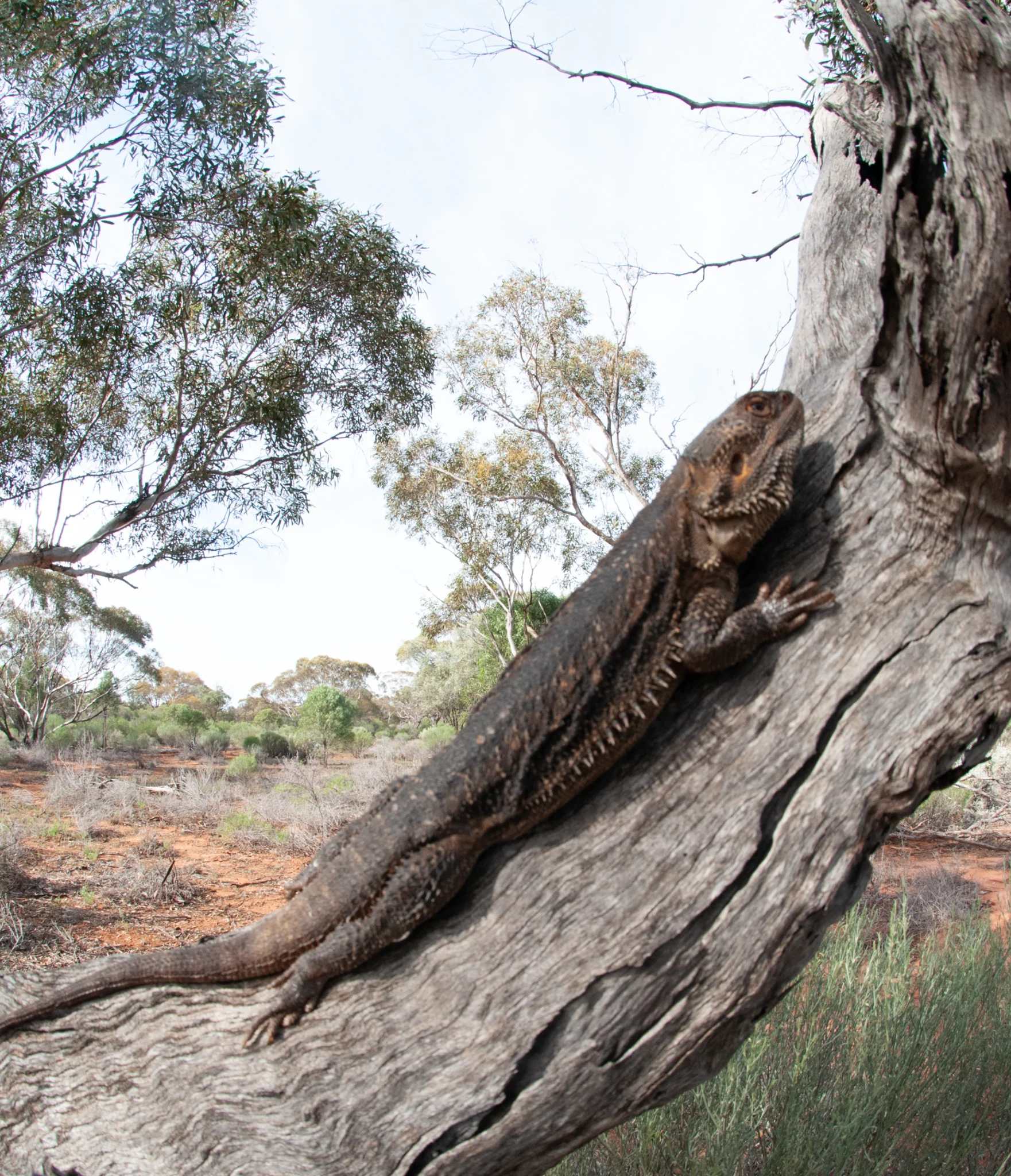
We have a colony of bearded dragons (Pogona vitticeps) from Arthur Georges and Sarah Whitely, collaborators at the University of Canberra. We have been studying the behavioural and cognitive implications of sex-reversal. Photo © Martin Whiting.
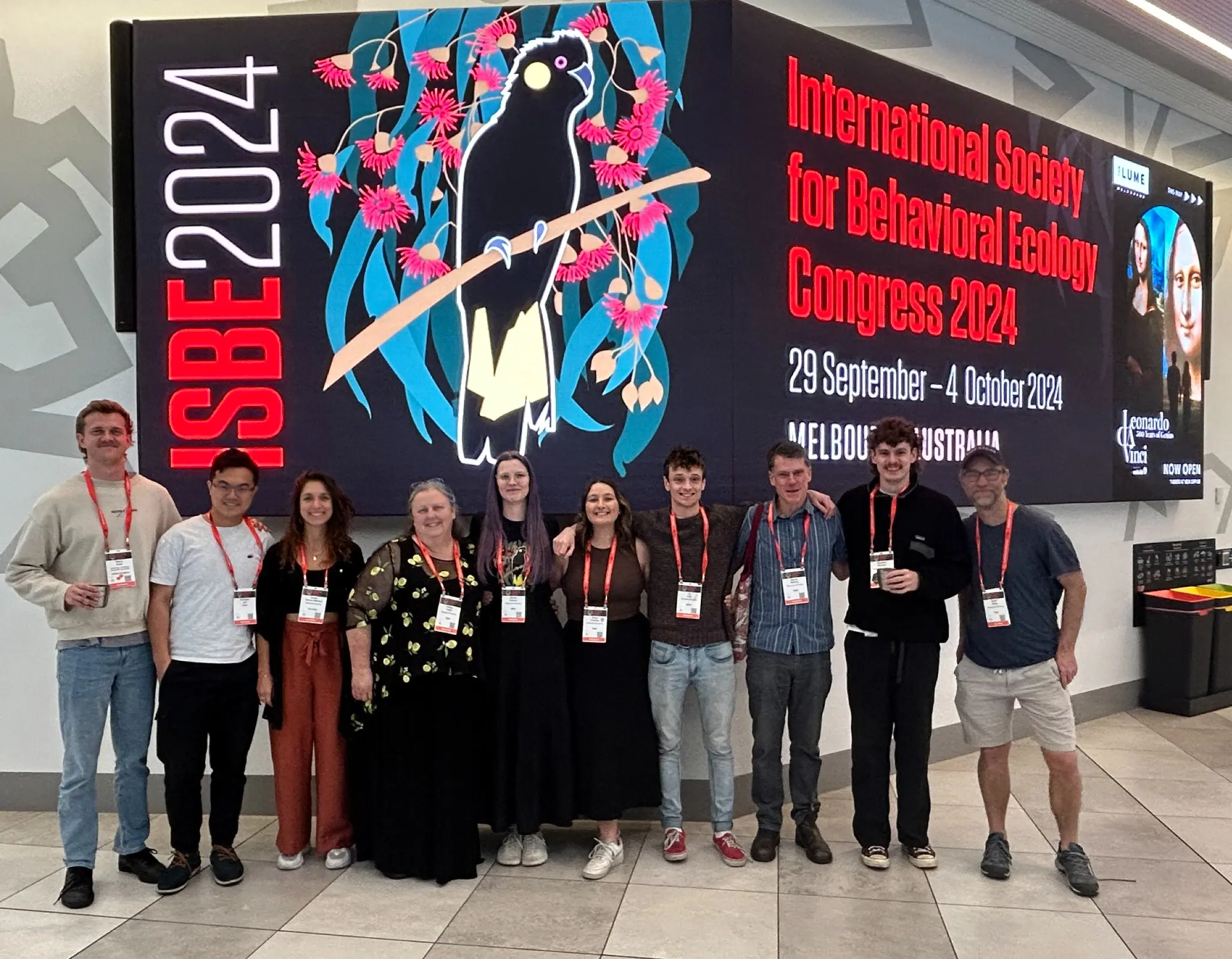
The lab was well represented!
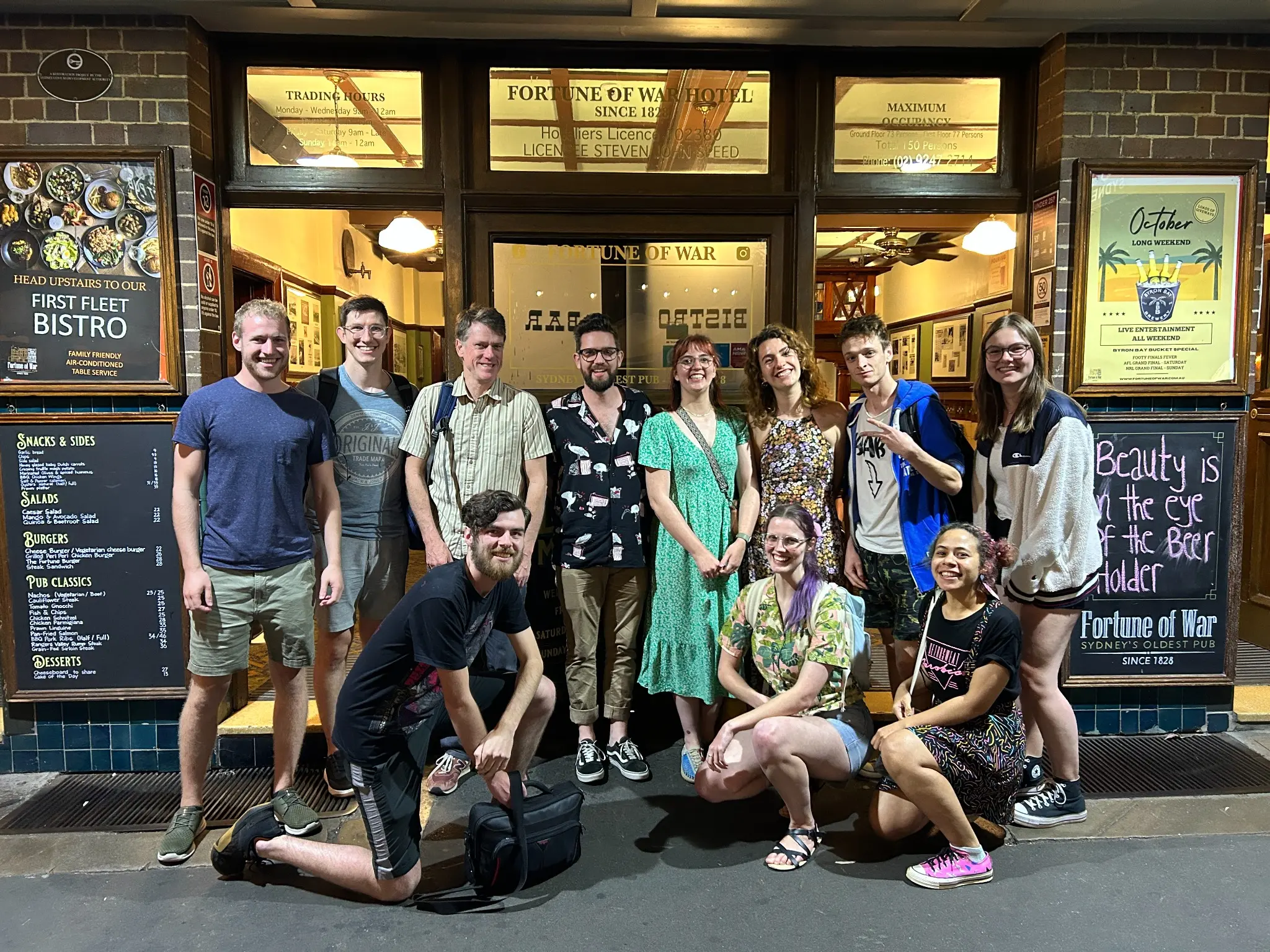
Simon Jeni, Yorick Lambreghts, Martin Whiting, Chris Jolly, Bethan Govier, Matilda Whittle, Jai Lake, Emma van de Pas, Levi Brown (front left), Maddi Holmes, Chris Wilson.
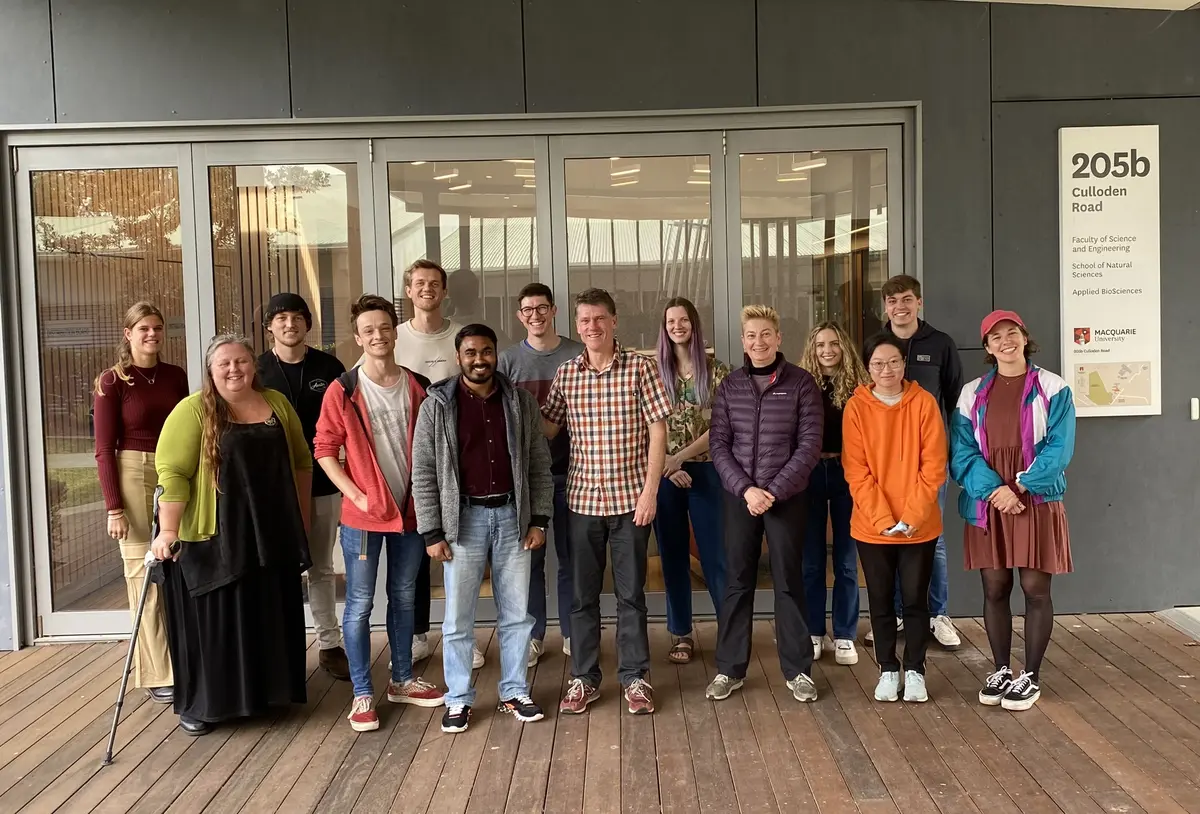
The lab in 2022 outside our building, with some members of the Shine Lab.
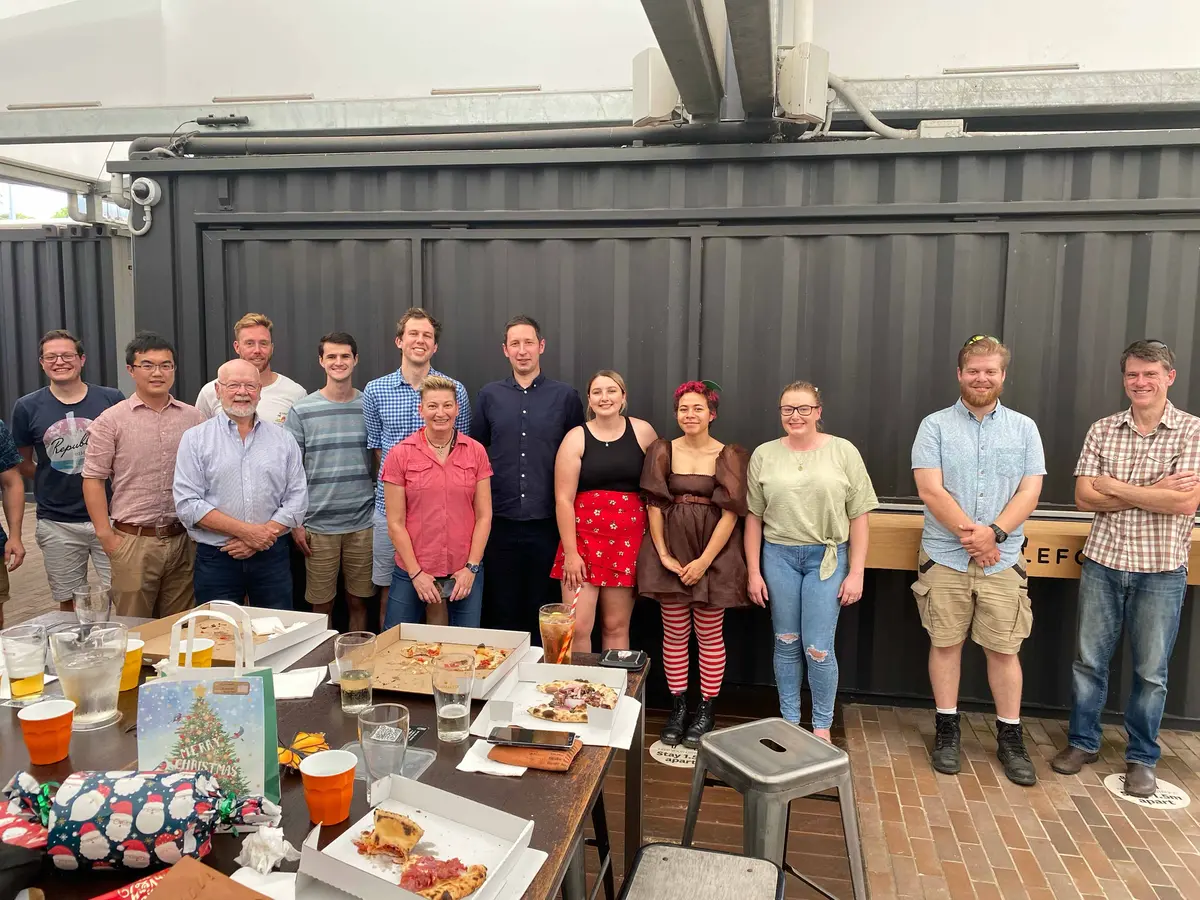
The lab Christmas party in 2021.
The Newcastle Frog Lab visited the Lizard Lab in June 2018. Everyone gave a mini-talk and shared drinks later in the evening.
Eric Pianka was invited to Australia by the Australian Herpetological Society and visited the lab in 2017.
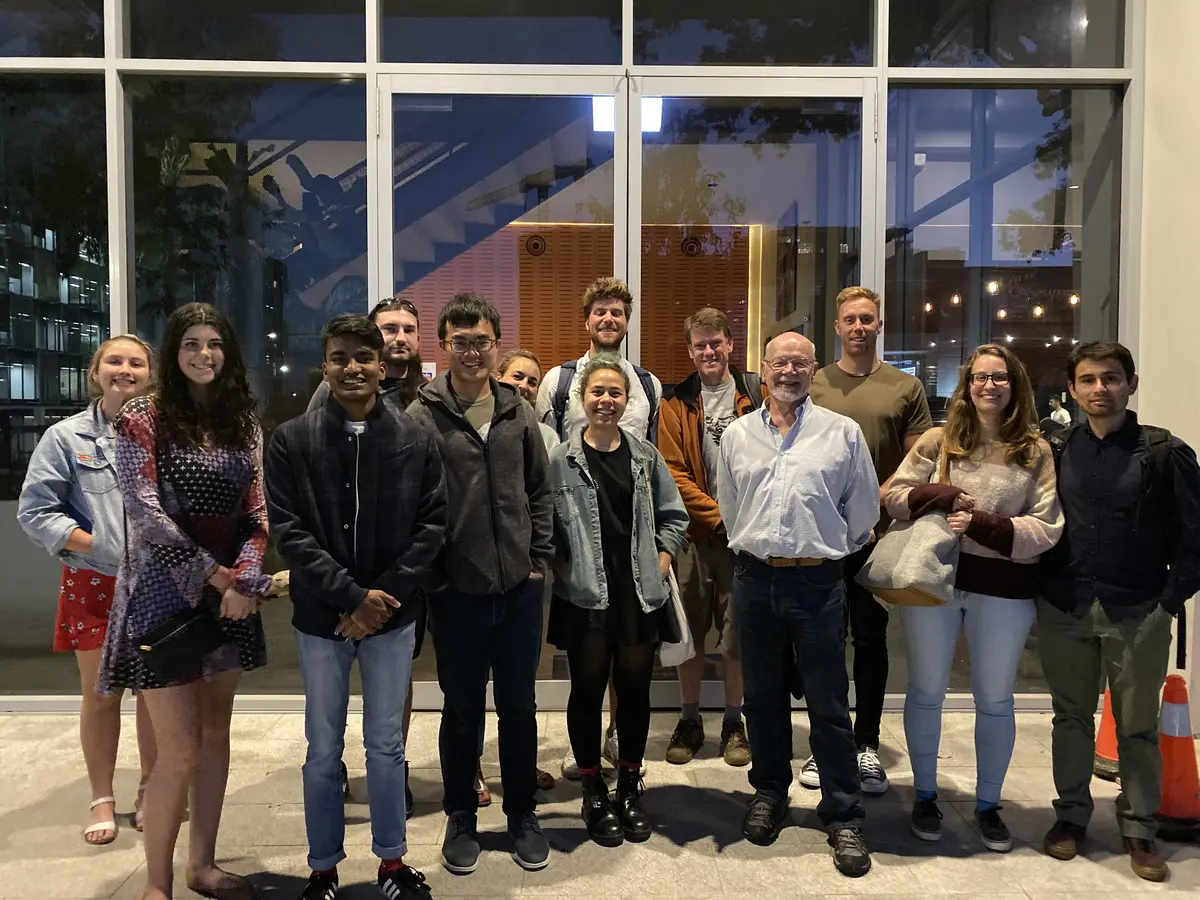
A social in 2020 with the Shine Lab.
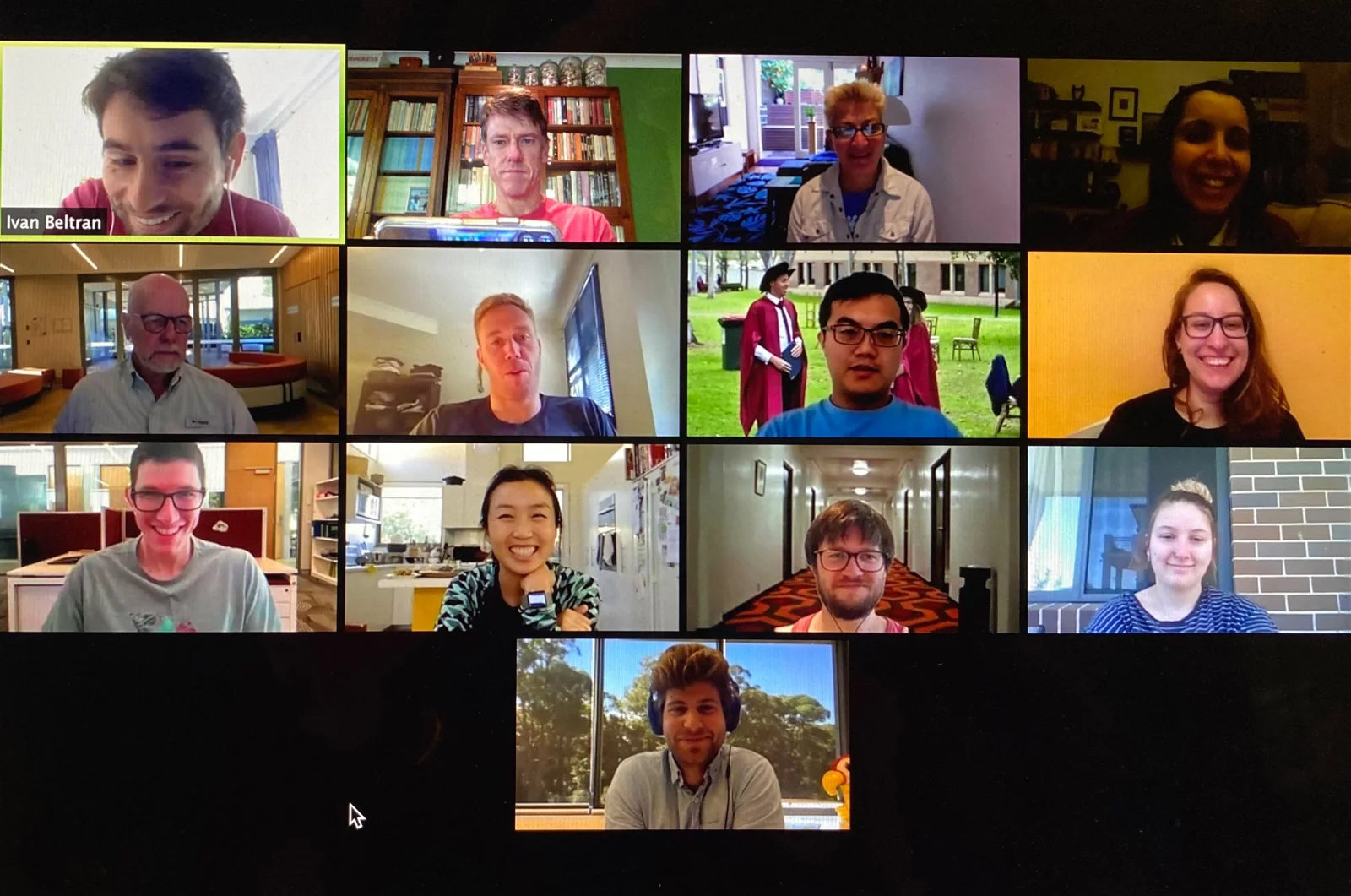
Covid quiz night on Zoom! April 2020.
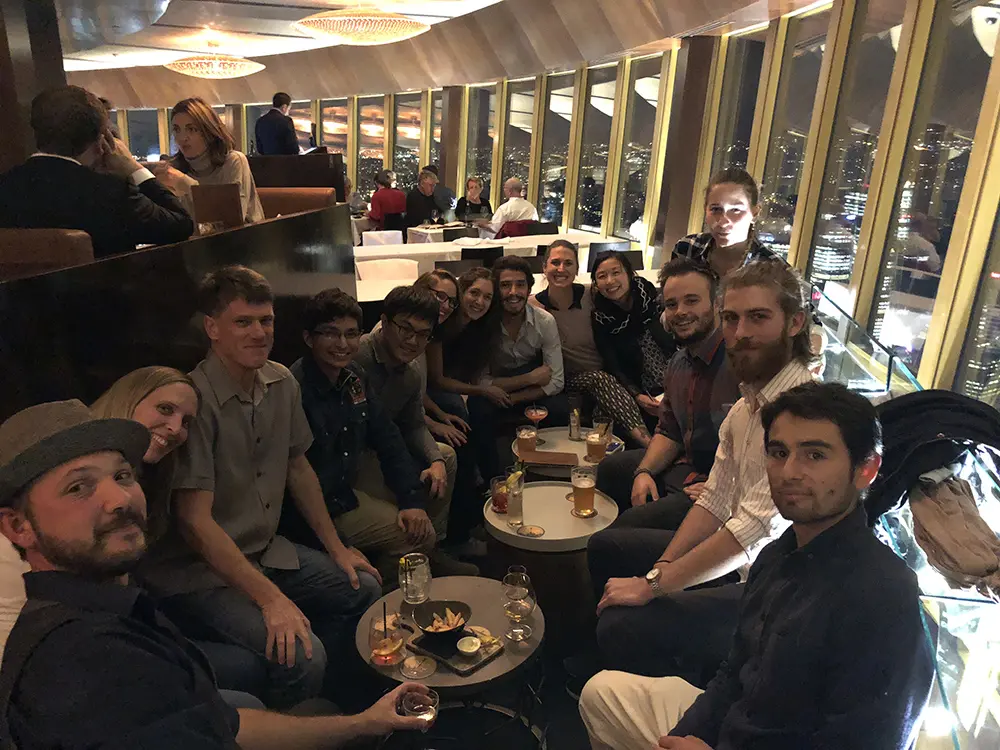
Lab social at the 360 Lounge at the top of Sydney Tower, May 2018. Great view!
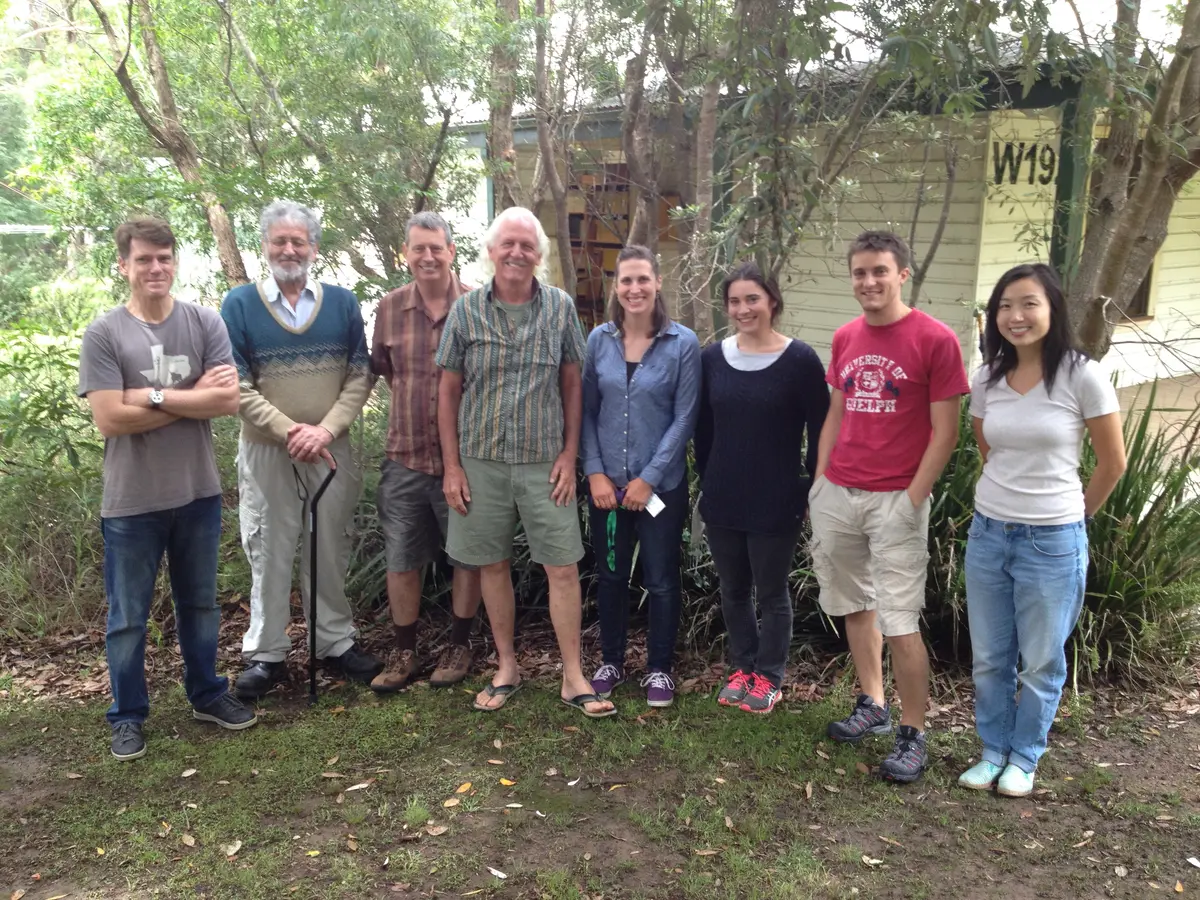
Rom Whitaker, fourth from left, visits the lab in December 2014.
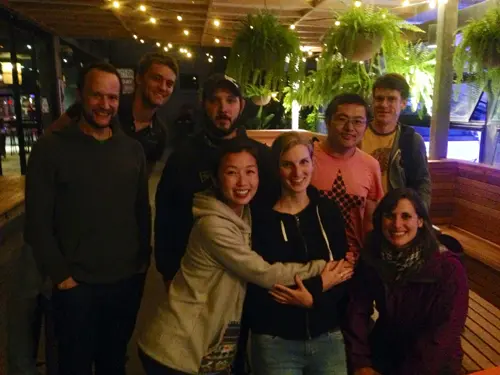
Some of the lab at Sarah Deventer’s farewell in May 2015. Left to right: Stephan Leu, Dan Noble, James Baxter-Gilbert, Fonti Kar, Sarah Deventer, Feng Xu, Martin Whiting and Julia Riley.
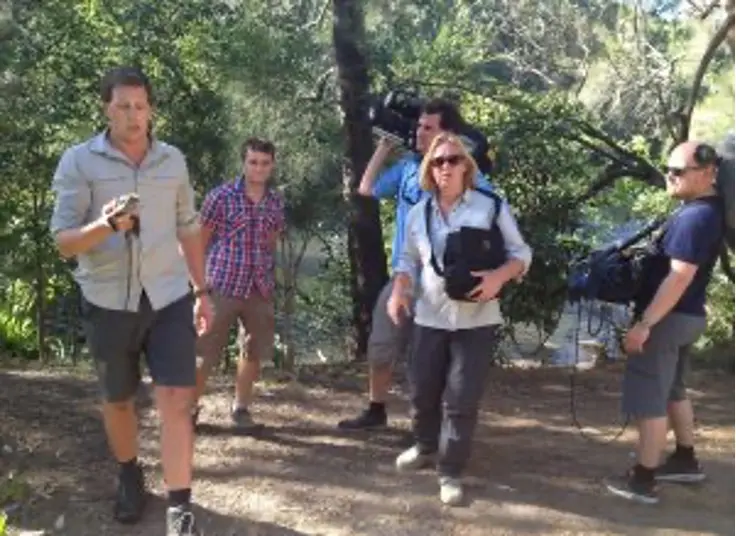
Freek Vonk, a Dutch documentary maker and scientist, visited in February 2014 to film toads and water dragons.
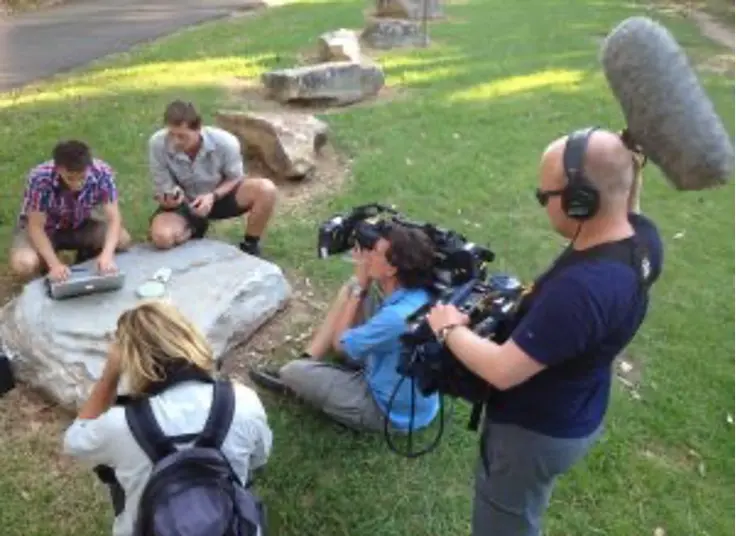
Freek Vonk and Dan Noble setting up a water dragon shot, February 2014.
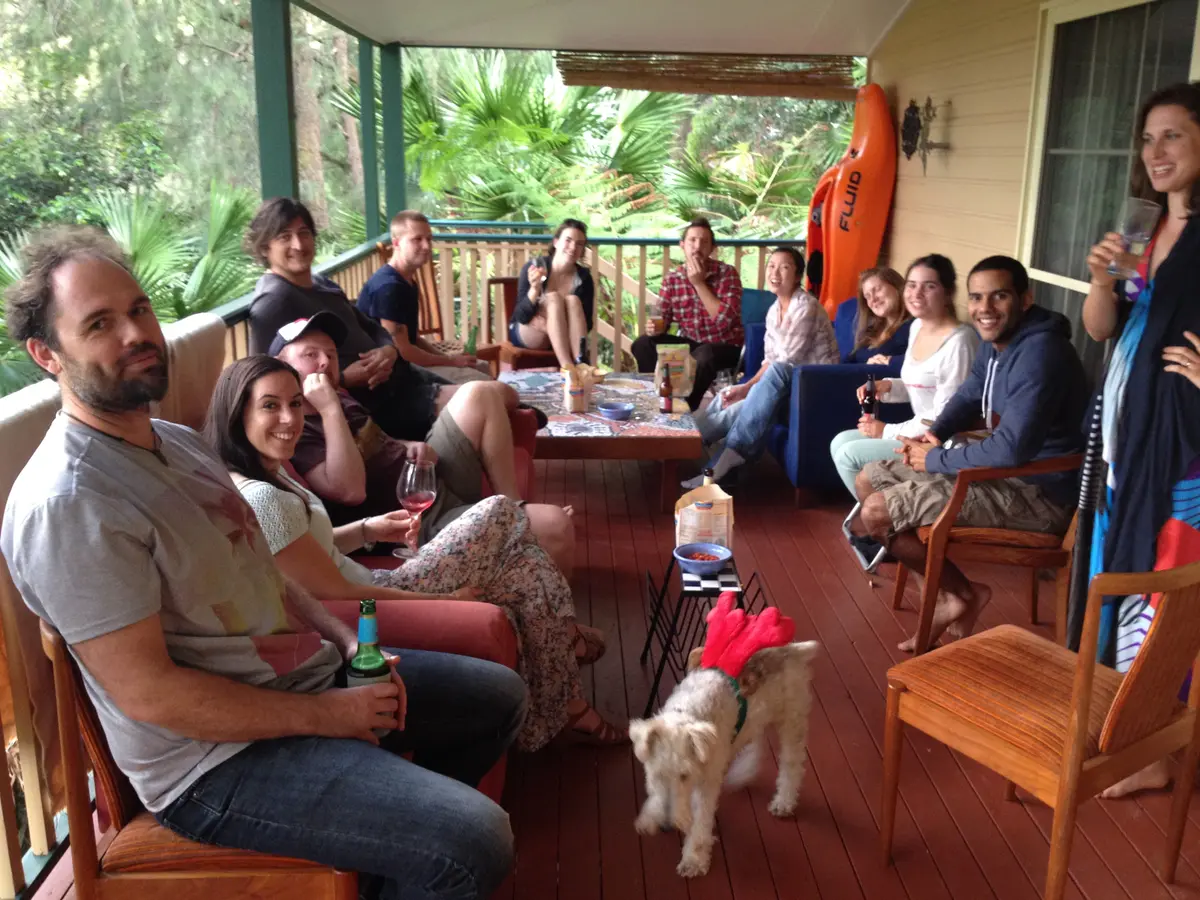
Christmas party at Umina Beach, 2014.
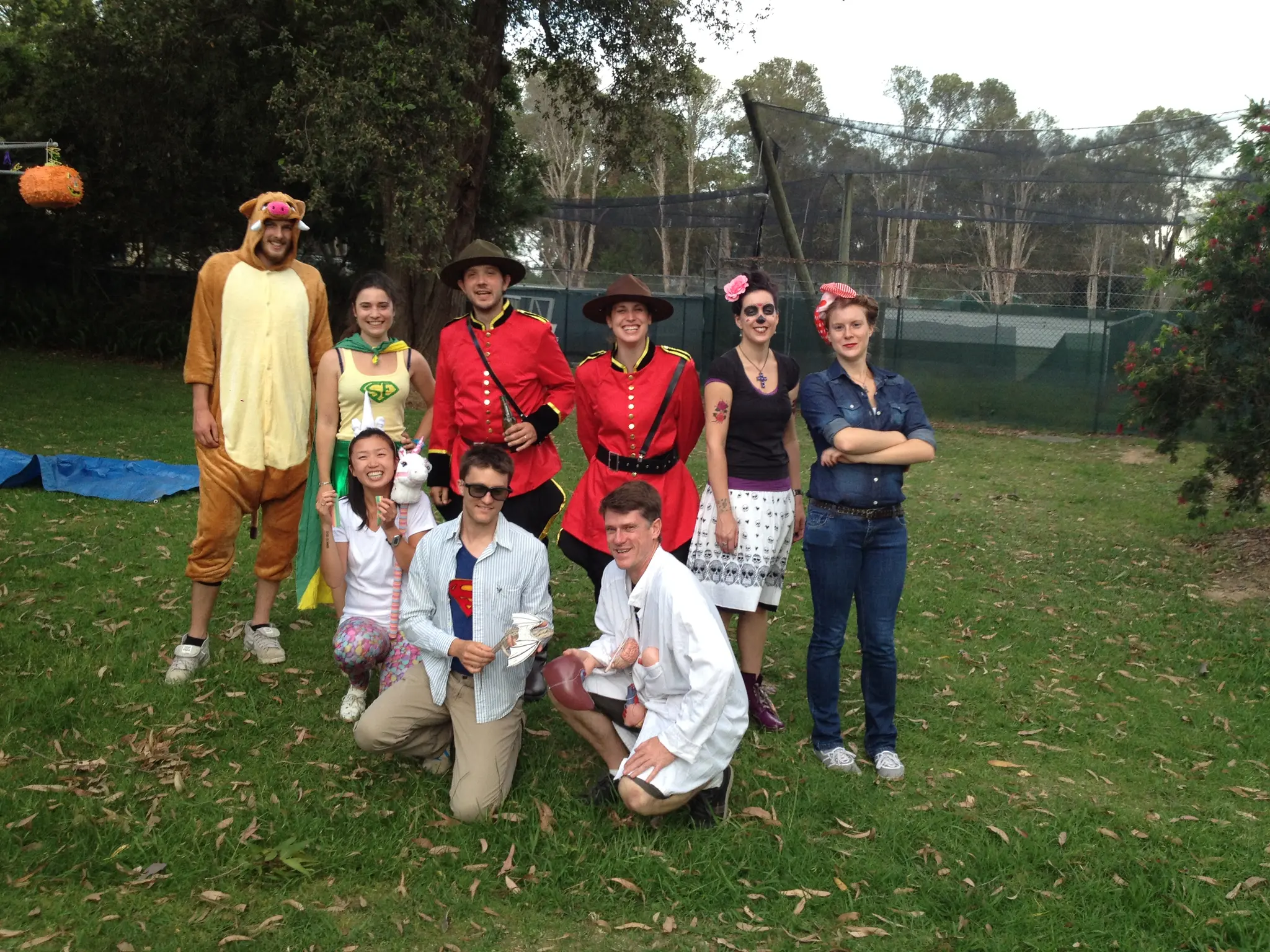
Lizard Lab Halloween, 2014.
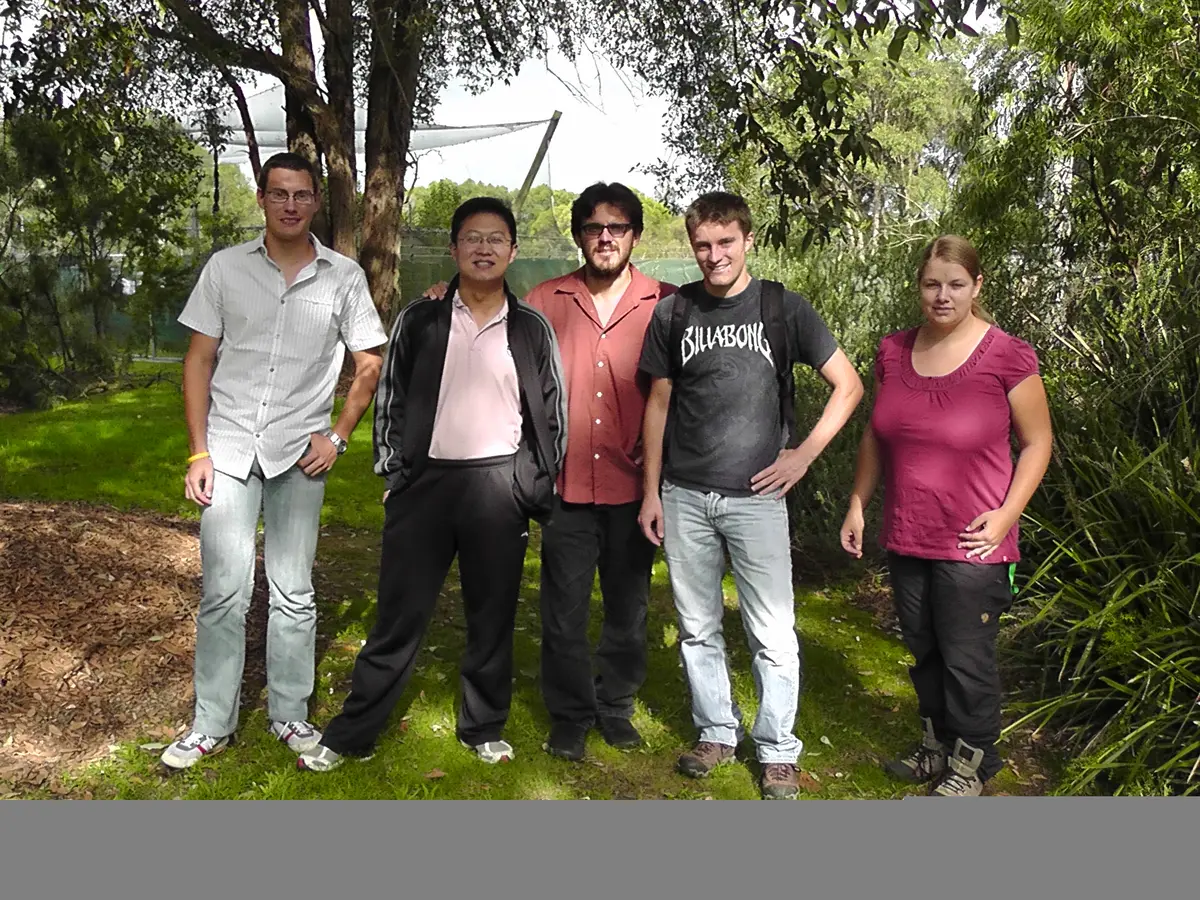
At the conclusion of Qi Yin’s visit in December 2011: Nicolas Butruille, Qi Yin, Marco Barquero, Dan Noble and Moniek Poppe.
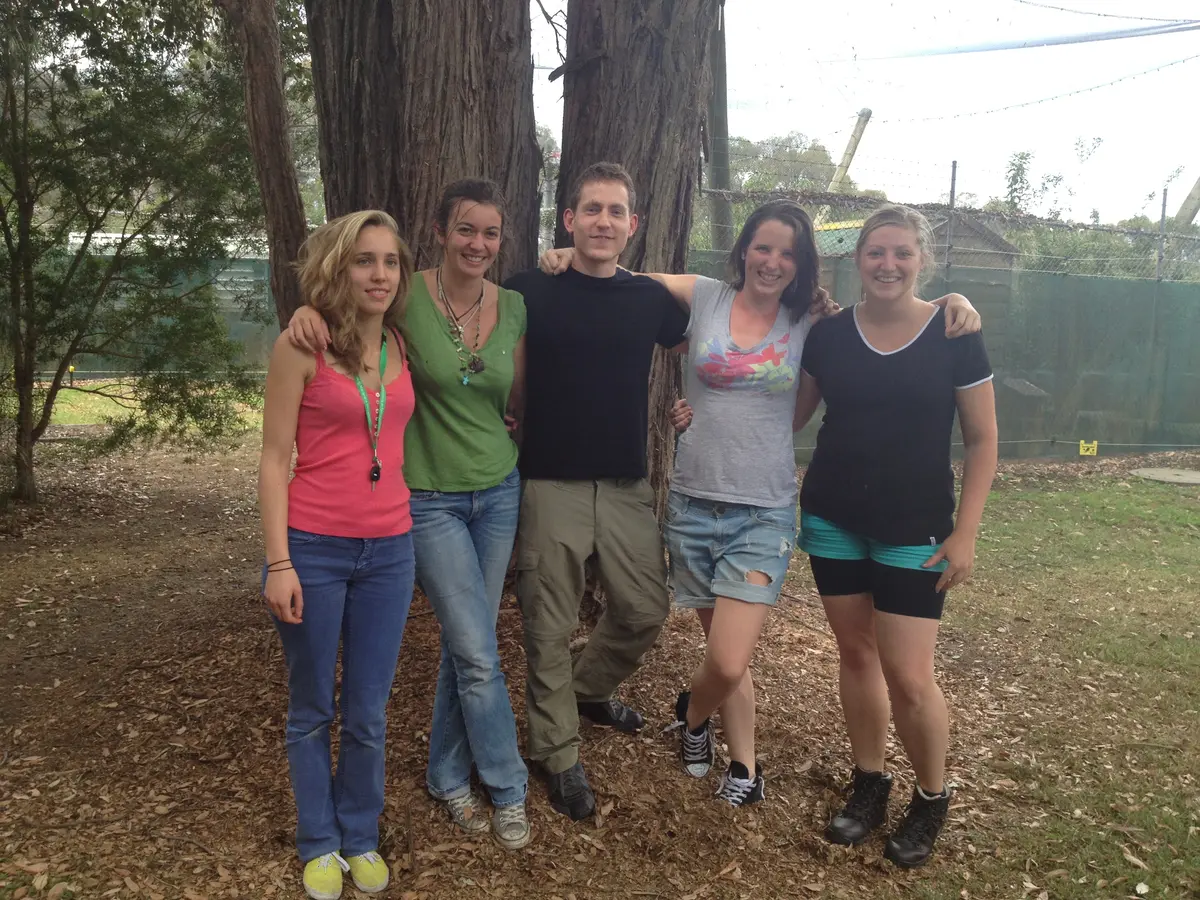
Lizard Lab interns in December 2012: Nathalie Lallemand De Driesen, Eléonor Germain, Aljoscha (Josh) Kubassa, Julie Pauwels and Katharina Hinz.
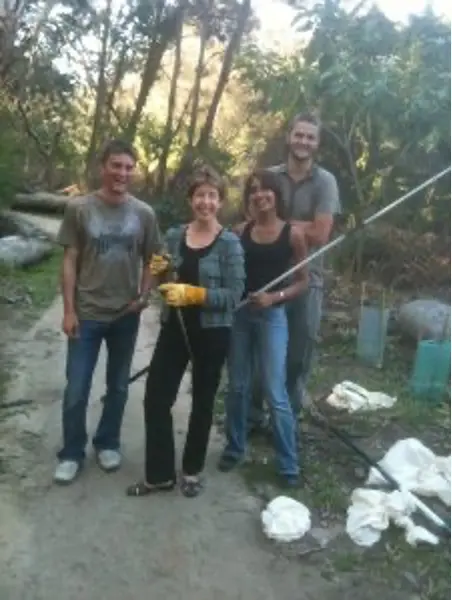
Marlene Zuk visited the lab in 2010 en route to ISBE and helped us catch water dragons.
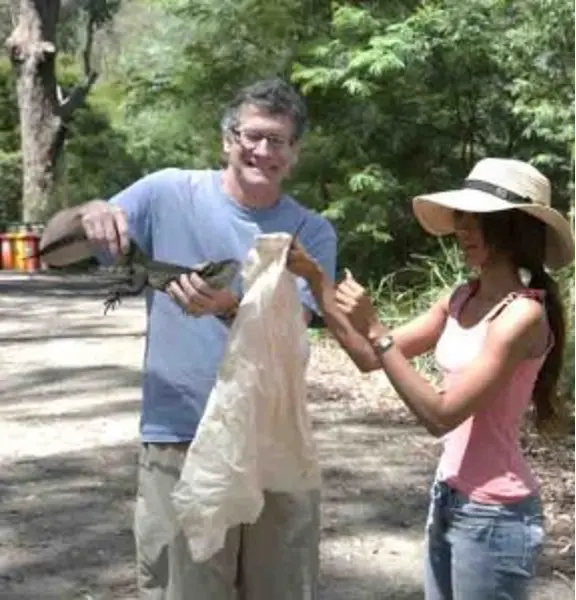
Jonathan Losos visited in 2010 and, of course, helped us snag some water dragons.
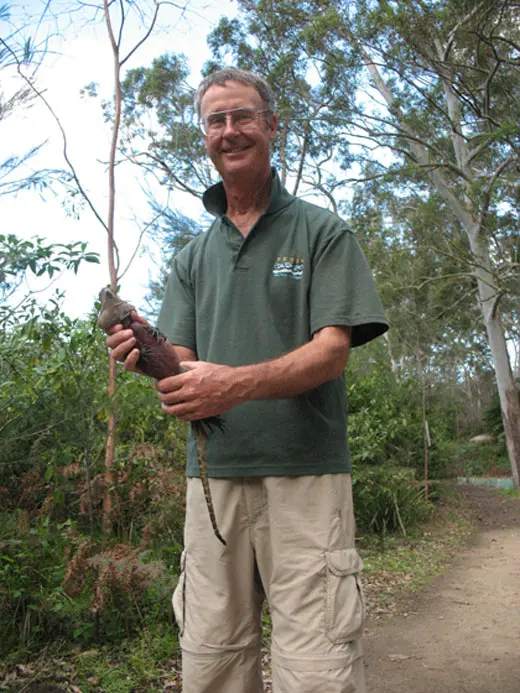
John Alcock visited in 2010 en route to ISBE. Here he is with a water dragon.
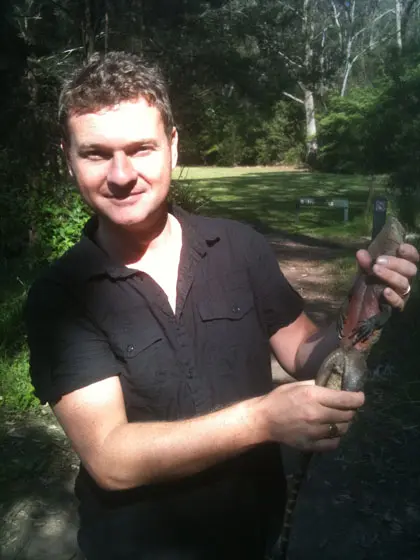
Mike Cant also visited in 2010 en route to ISBE. Here he is with a water dragon.
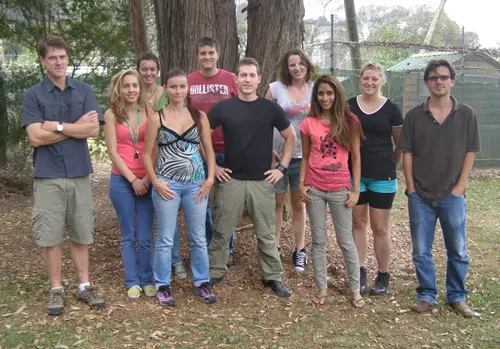
The Lizard Lab in November 2012: Martin Whiting, Eléonor Germain, Dan Noble, Julie Pauwels, Katharina Hinz, Nathalie Lallemand De Driesen, Renata Kopena, Aljoscha (Josh) Kubassa, Dani Chandrasoma and Marco Barquero.
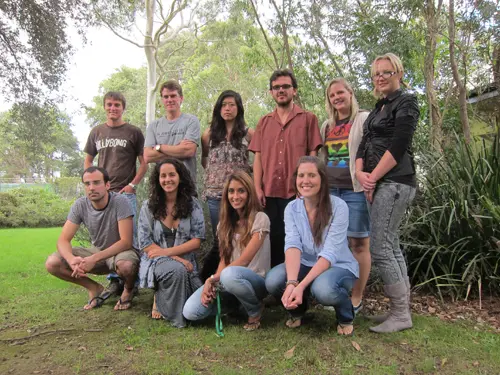
The lab in April 2011: Dan Noble, Martin Whiting, Yee Wah Lau, Marco Barquero, Kerrie Wechmann, Alana Mailey, Pau Carazo, Suead Zumut, Dani Chandrasoma and Siobhan Dennison.